The Department of Electronics & Communication Engineering (ECE), St Joseph Engineering College, Vamanjoor, Mangaluru, organized a comprehensive Placement Training Programme for students as part of its efforts to enhance their technical knowledge, problem-solving ability, and placement readiness. The programme was conducted on 15–17, 20–21 July 2026 and 8 August 2026. The initiative was designed to provide students with focused preparation in core electronics, electrical and digital concepts, programming, problem-solving, assessment, resume preparation, and mock interviews.
The training programme involved the faculty of the ECE Department, who were assigned specific technical topics and assessment responsibilities. Faculty members were instructed to prepare comprehensive study materials covering important concepts, develop suitable assessment questions including multiple-choice, descriptive and application-oriented questions, and ensure that the learning content was structured from a placement perspective. The materials were also intended to support both classroom discussions and self-learning by students.
Technical Training Sessions
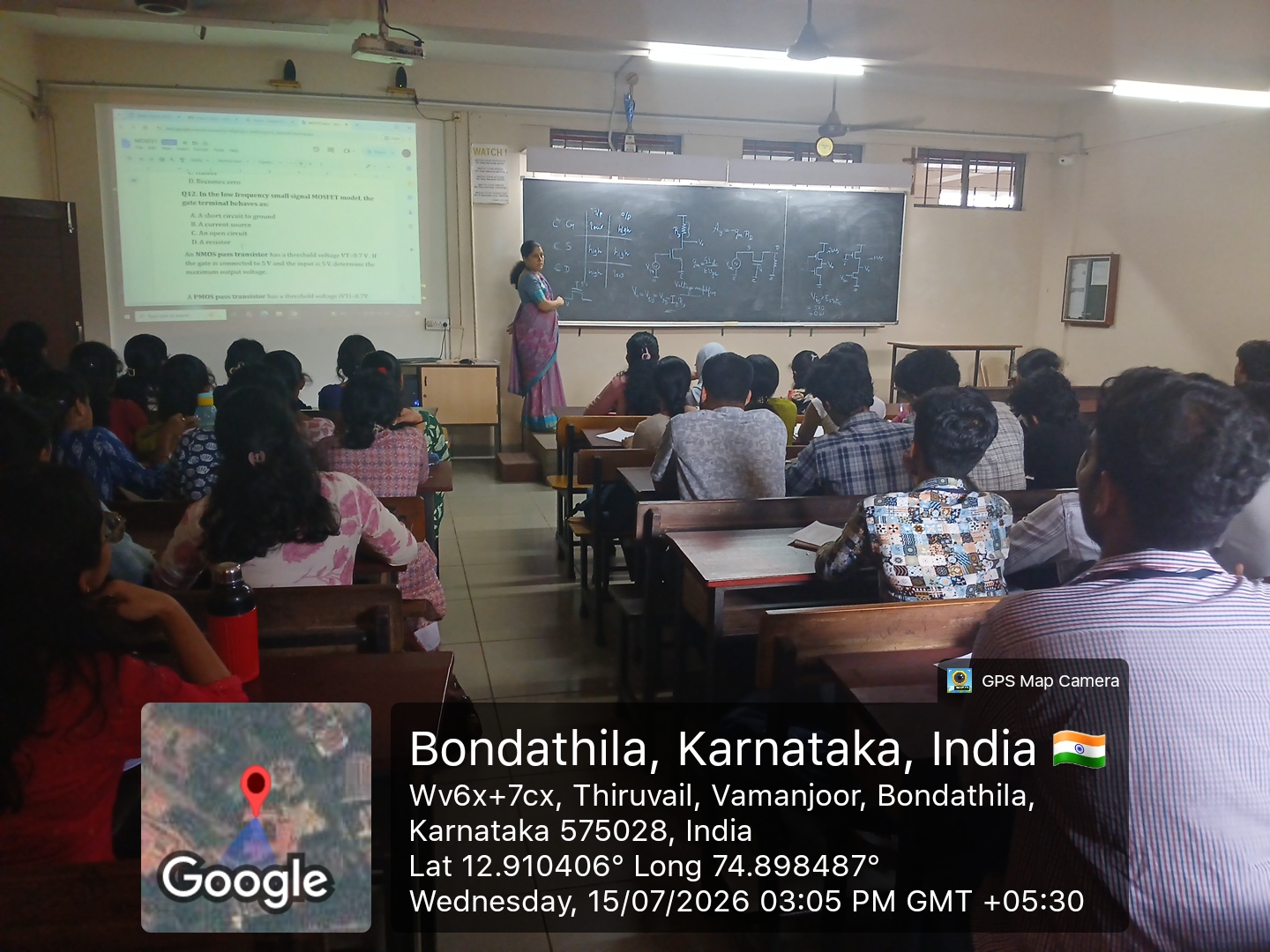
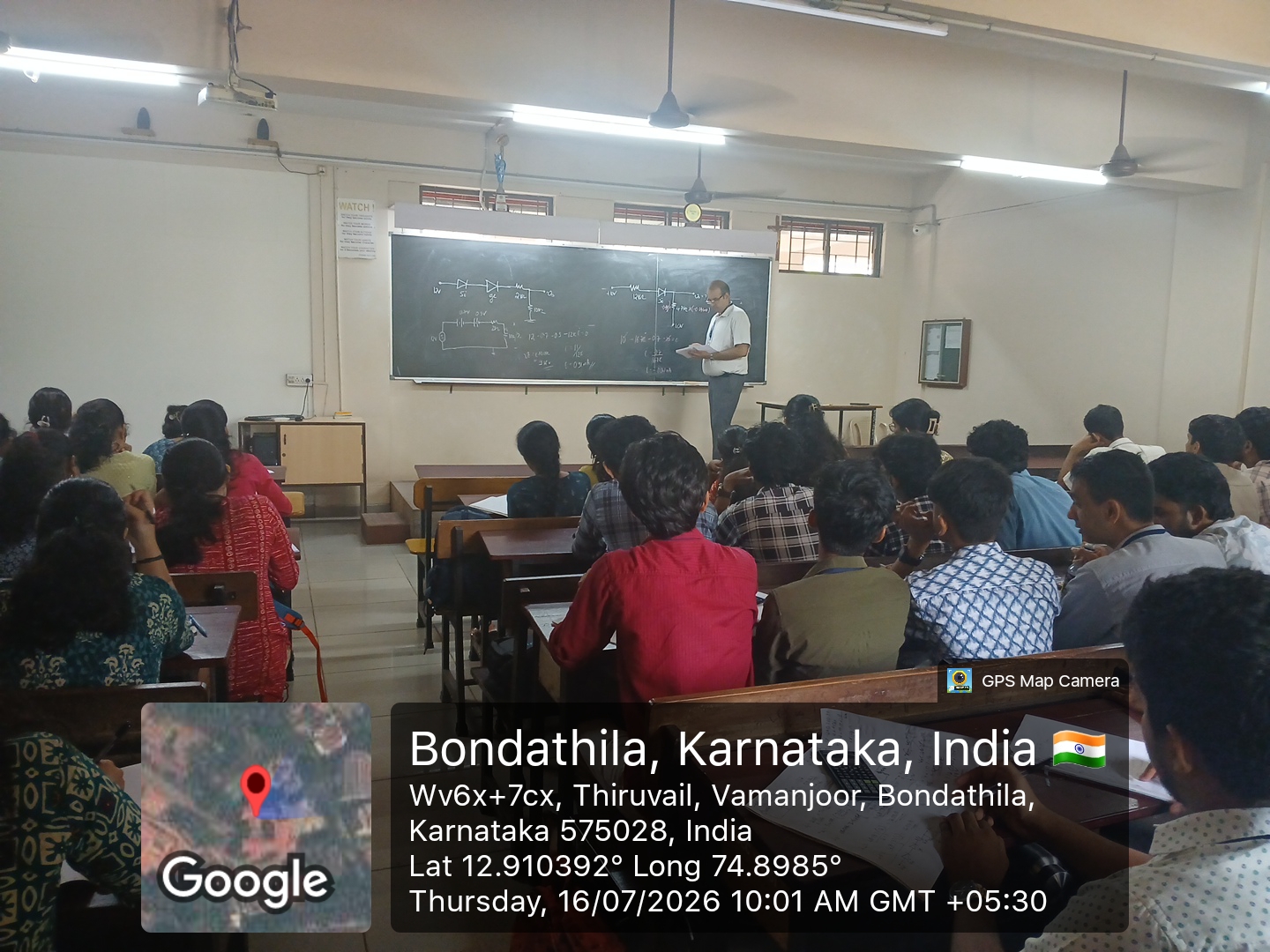
The programme commenced on 15 July 2026 with a detailed session on MOSFET fundamentals. The faculty of the ECE Department covered important concepts such as the regions of operation of MOSFETs, threshold voltage, body effect, and the use of MOSFET as a switch. These topics are fundamental for students preparing for technical placement interviews in electronics and semiconductor-related industries. A dedicated assessment session was also conducted in the afternoon to evaluate students' understanding of MOSFET concepts. On 16 July 2026, the training focused on Circuit Fundamentals and Network Analysis, which are essential areas frequently tested during technical interviews. The faculty covered Ohm's Law, Kirchhoff's Current Law (KCL), Kirchhoff's Voltage Law (KVL), voltage and current divider rules, and circuit-solving shortcuts. The sessions further included important network theorems such as Thevenin's theorem, Norton's theorem, source transformation, and maximum power transfer theorem. Mesh analysis, nodal analysis, equivalent networks, and first-order RC and RL circuits were also discussed. In addition, AC analysis, resonance, electrical power concepts, frequency response, and filters were covered with emphasis on their practical circuit interpretation. A separate session on logic building, problem solving in C, and an assessment of network analysis concepts were also included in the day's activities.
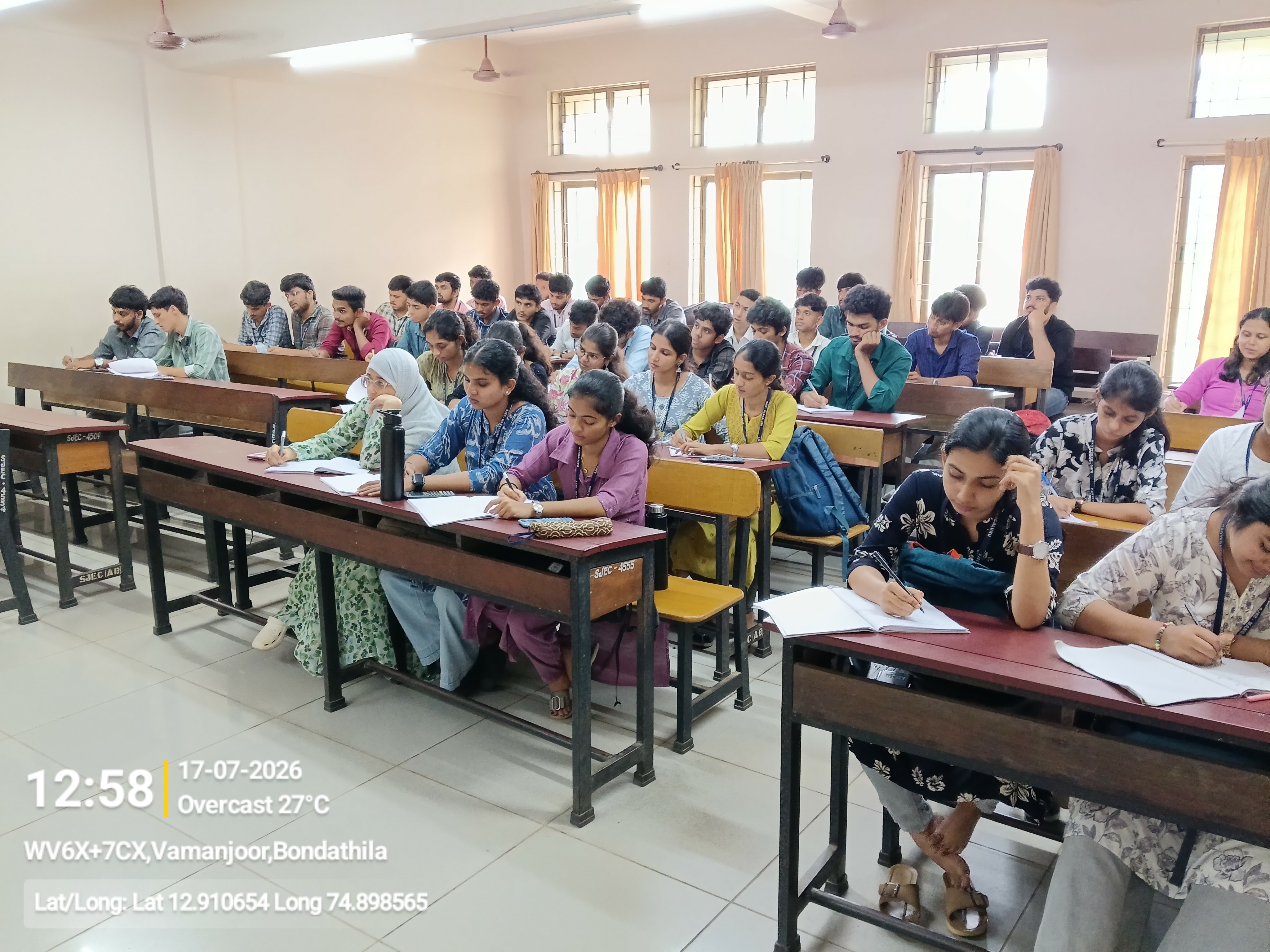
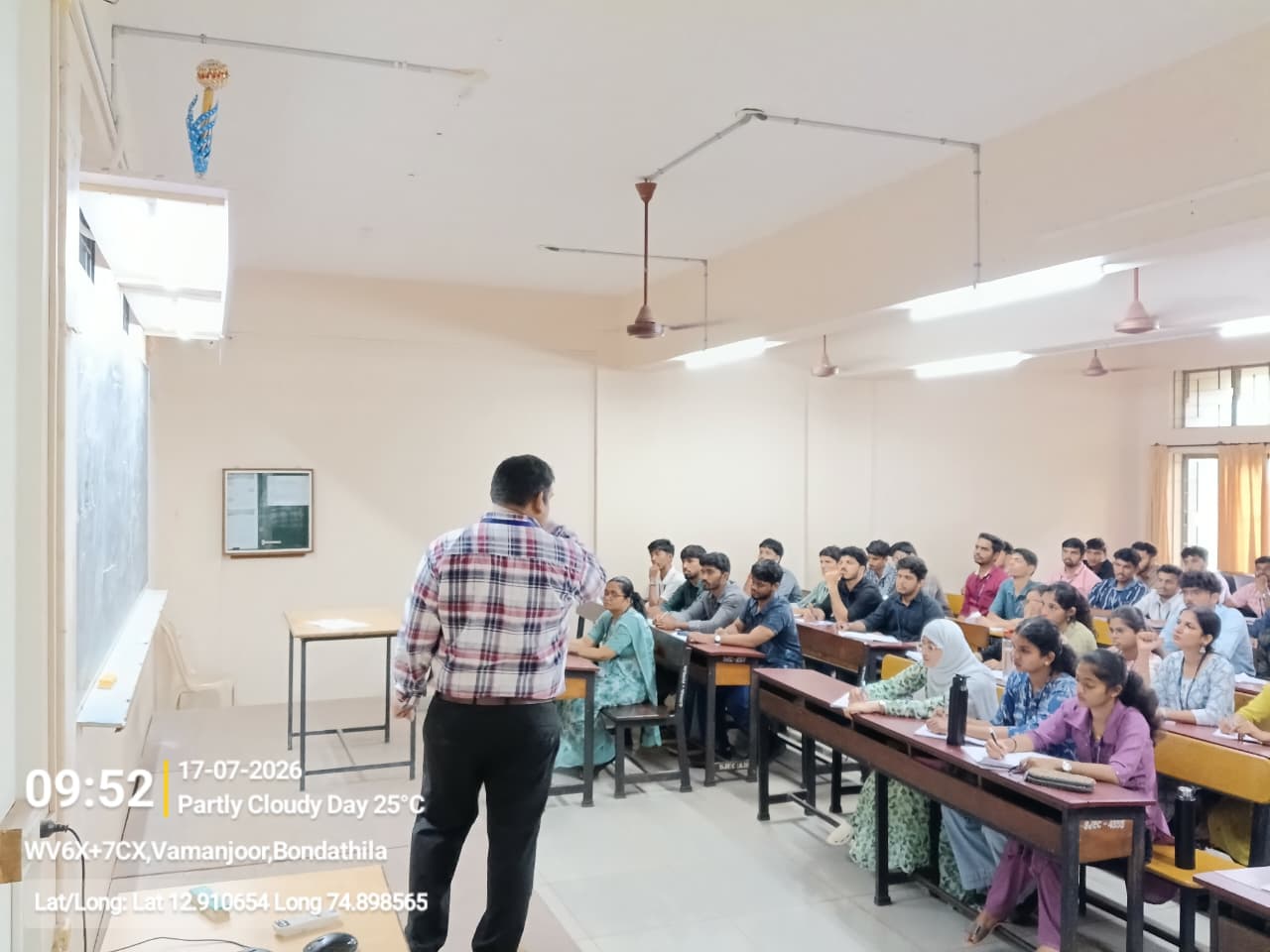
The training continued on 17 July 2026 with sessions on BJT concepts and operational amplifiers. The faculty of the ECE Department addressed the fundamental concepts of BJTs and included problems based on transistor operation. The operational amplifier session covered comparator, Schmitt trigger, integrator, differentiator, and feedback circuits, along with application-oriented circuit analysis. Important analog performance parameters such as gain, bandwidth, slew rate, CMRR, PSRR, and stability were also considered. The day's programme strengthened students' understanding of analog electronics and prepared them to solve conceptual and application-based technical questions.
Diode, Digital Electronics and Assessment Sessions
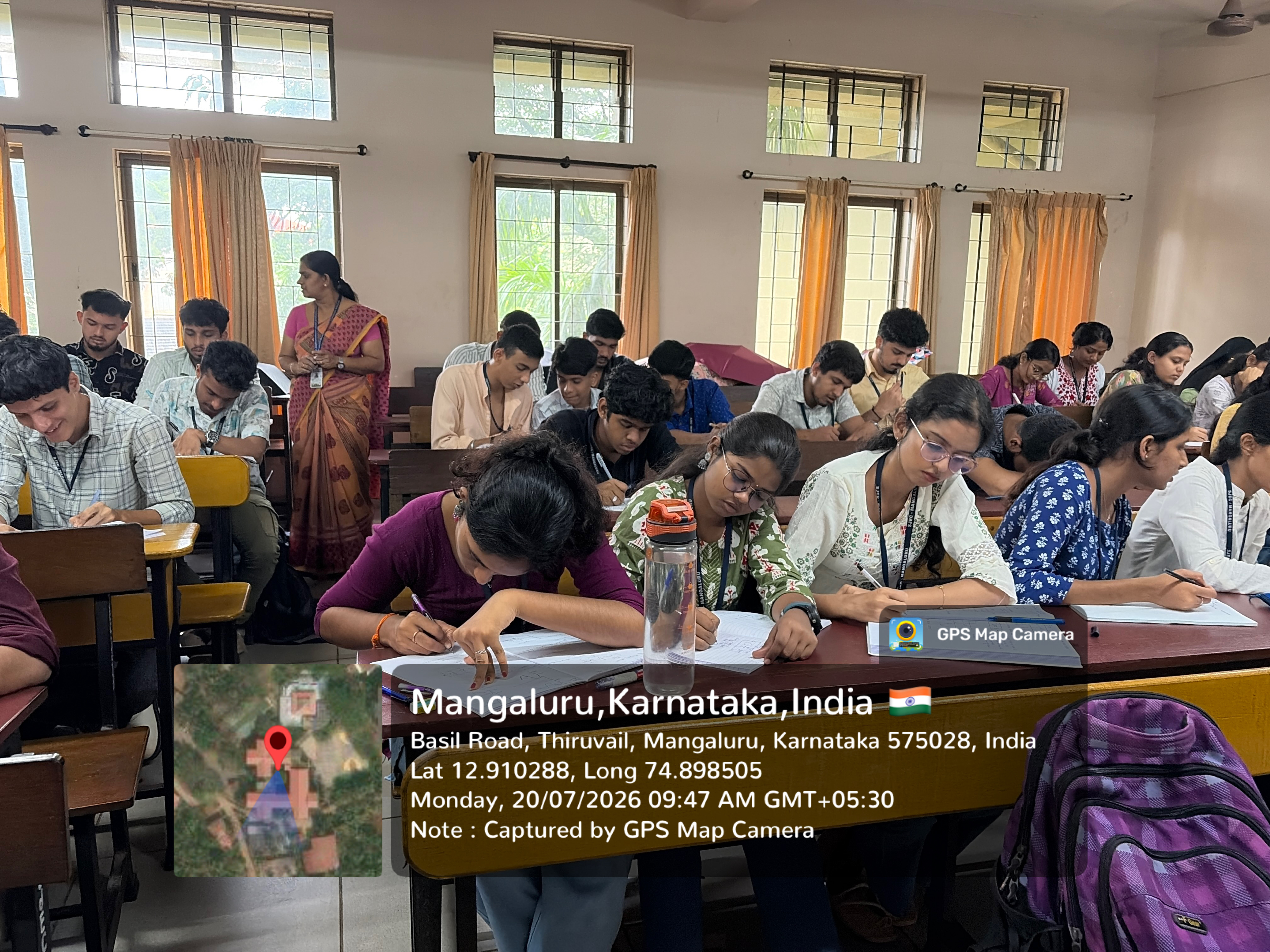
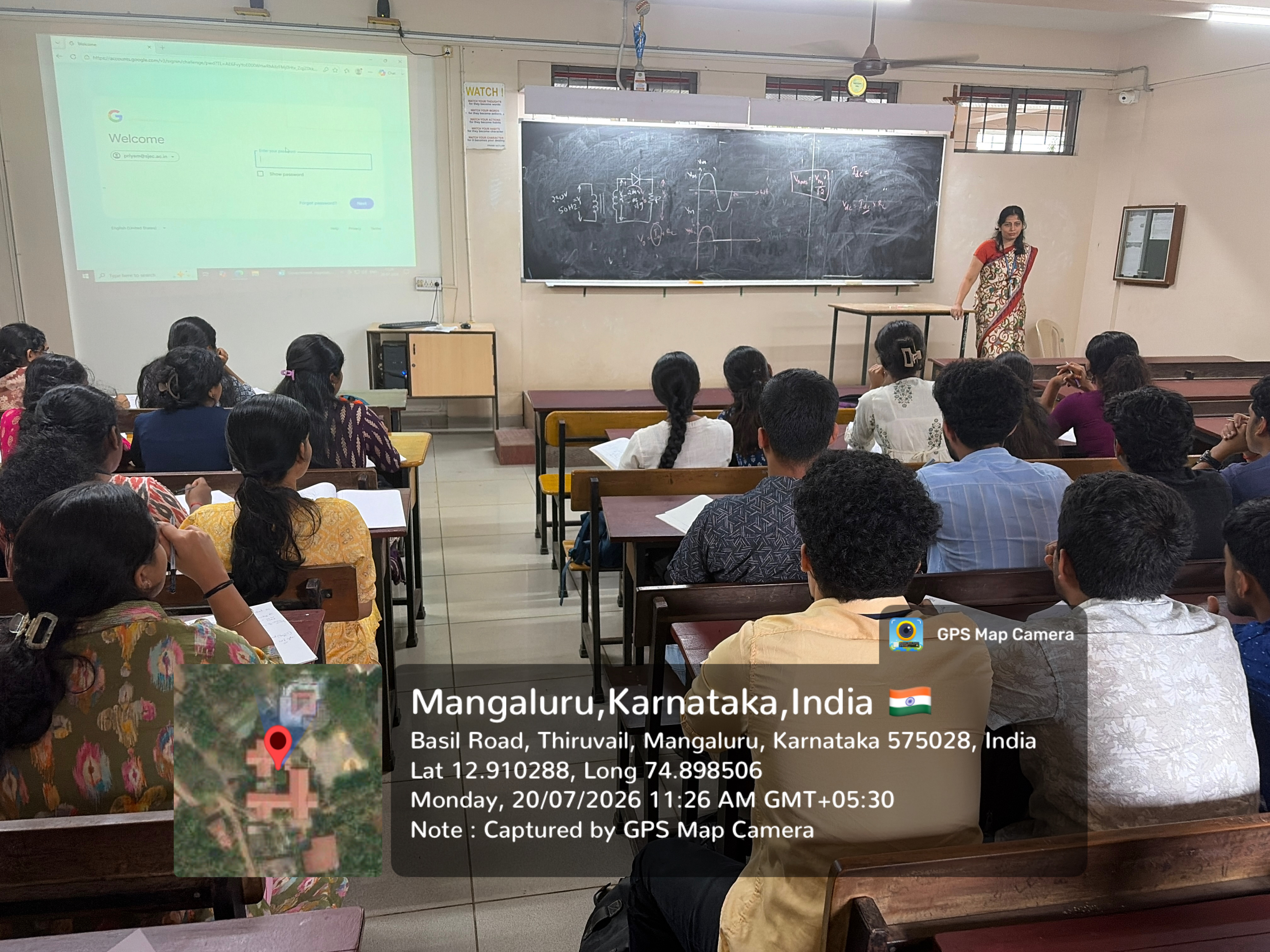
On 20 July 2026, the programme focused on Diode Circuits and Applications. The faculty covered rectifiers, clippers, clampers, voltage multipliers, and practical circuit analysis. These topics were presented with an emphasis on understanding circuit operation and solving placement-oriented problems. Assessment sessions were also conducted on BJT and operational amplifier concepts, followed by an assessment covering diodes, rectifiers, clippers, and clampers. This combination of teaching and assessment provided students with an opportunity to evaluate their understanding immediately after the technical sessions.
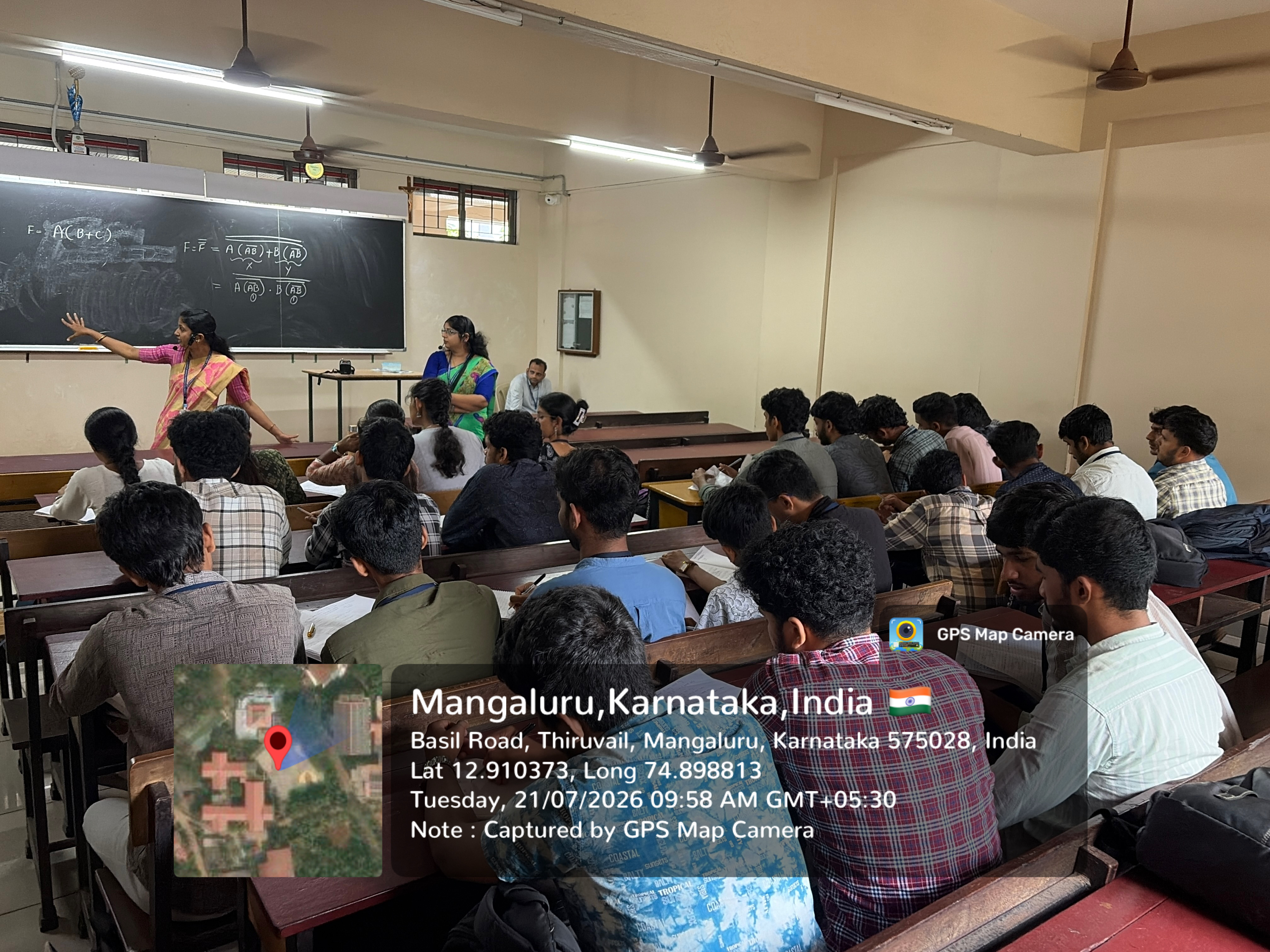
The programme on 21 July 2026 concentrated on Digital Electronics. The faculty of the ECE Department addressed logic simplification and interview-oriented problem solving, going beyond conventional K-map-based approaches. The sessions included logic gates, universal gates, and gate-level implementation of practical digital systems. Students were also introduced to combinational circuits such as multiplexers, demultiplexers, encoders, decoders, comparators, and parity circuits through application-based problems and design-oriented thinking. Arithmetic circuits, including adders and subtractors, along with digital design problem-solving techniques, were also covered. A dedicated assessment of digital electronics was conducted to measure students' learning outcomes.
Outcome of the Programme
The Placement Training Programme served as an integrated platform for strengthening both technical competency and placement preparedness among students of the ECE Department. The systematic coverage of analog electronics, digital electronics, circuit analysis, semiconductor devices, programming, problem solving, assessment provided students with a broad foundation for technical recruitment.
A significant feature of the programme was the combination of concept-oriented teaching with assessment and application-based problem solving. Rather than limiting the sessions to theoretical explanations, the programme emphasized practical circuit interpretation, interview-oriented problems, design thinking, and continuous assessment. This approach encouraged students to apply their knowledge and improve their confidence in solving technical questions.
The programme also highlighted the active involvement of the faculty of the ECE Department in the department's placement initiatives. Through systematic preparation of study materials, delivery of technical sessions, development of assessment questions, evaluation of student understanding, and participation in mock interviews and resume review, the faculty contributed significantly to the overall placement preparation process. The programme therefore represents a focused and structured effort by the Department of ECE to equip students with the knowledge, skills, and confidence required to face technical assessments and placement interviews successfully.
Overall, the Placement Training Programme conducted from 15-17 and 20-21, July 2026 was a comprehensive initiative aimed at bridging the gap between classroom learning and industry-oriented placement requirements. It provided students with opportunities to revise fundamental concepts, practice problem solving, assess their knowledge. The programme is expected to contribute positively to students' technical preparedness and confidence as they progress towards their placement and career opportunities.