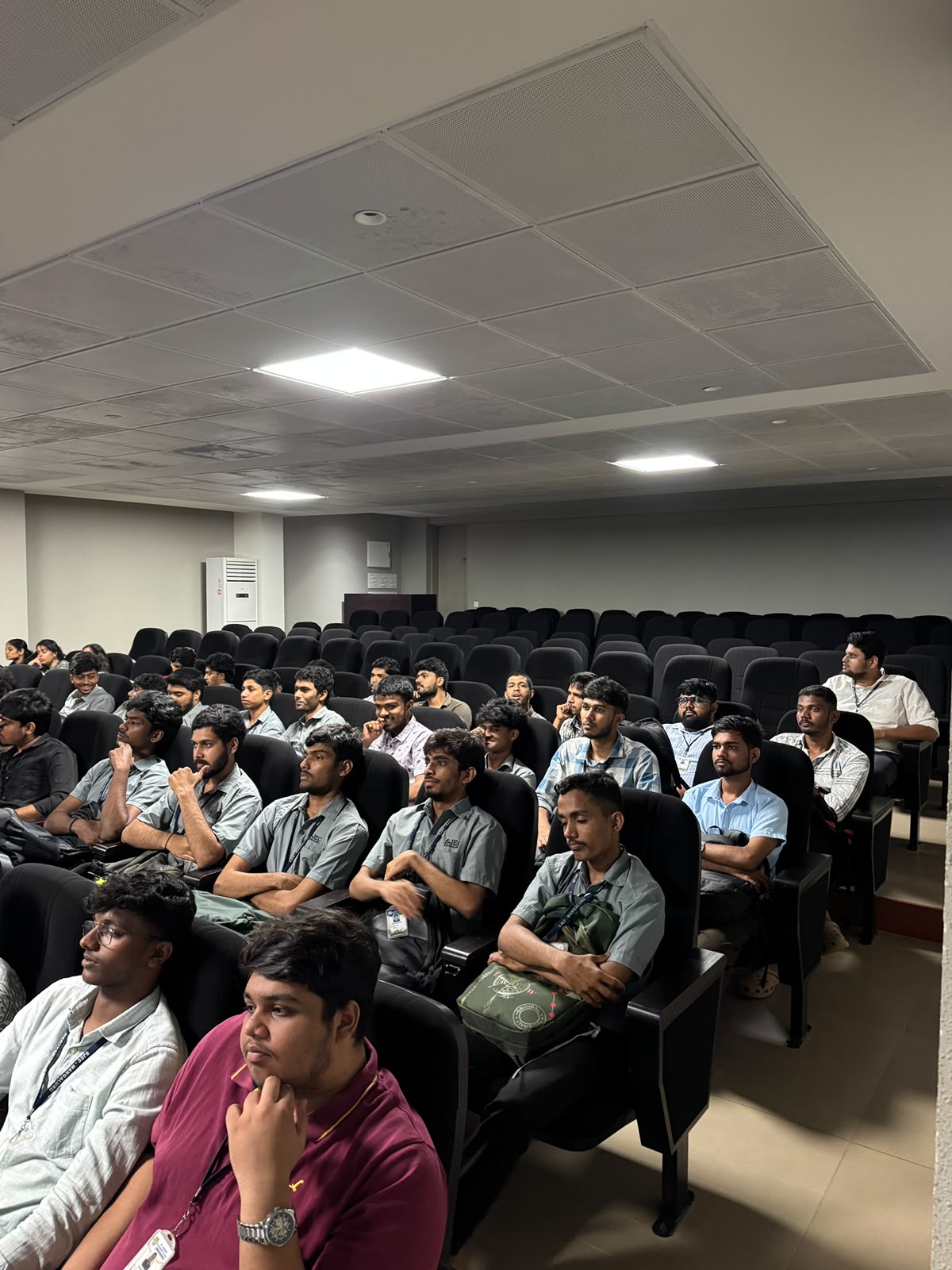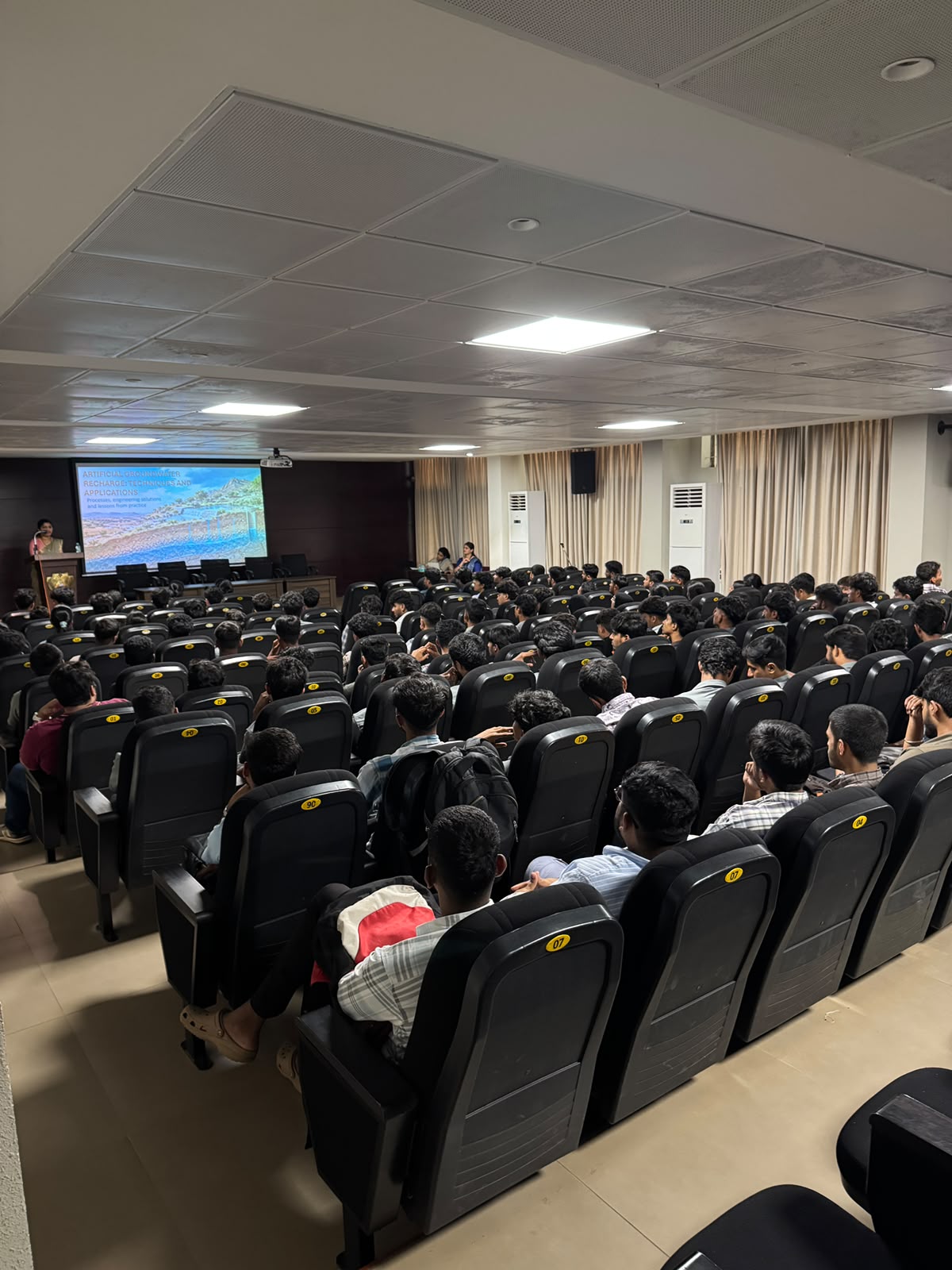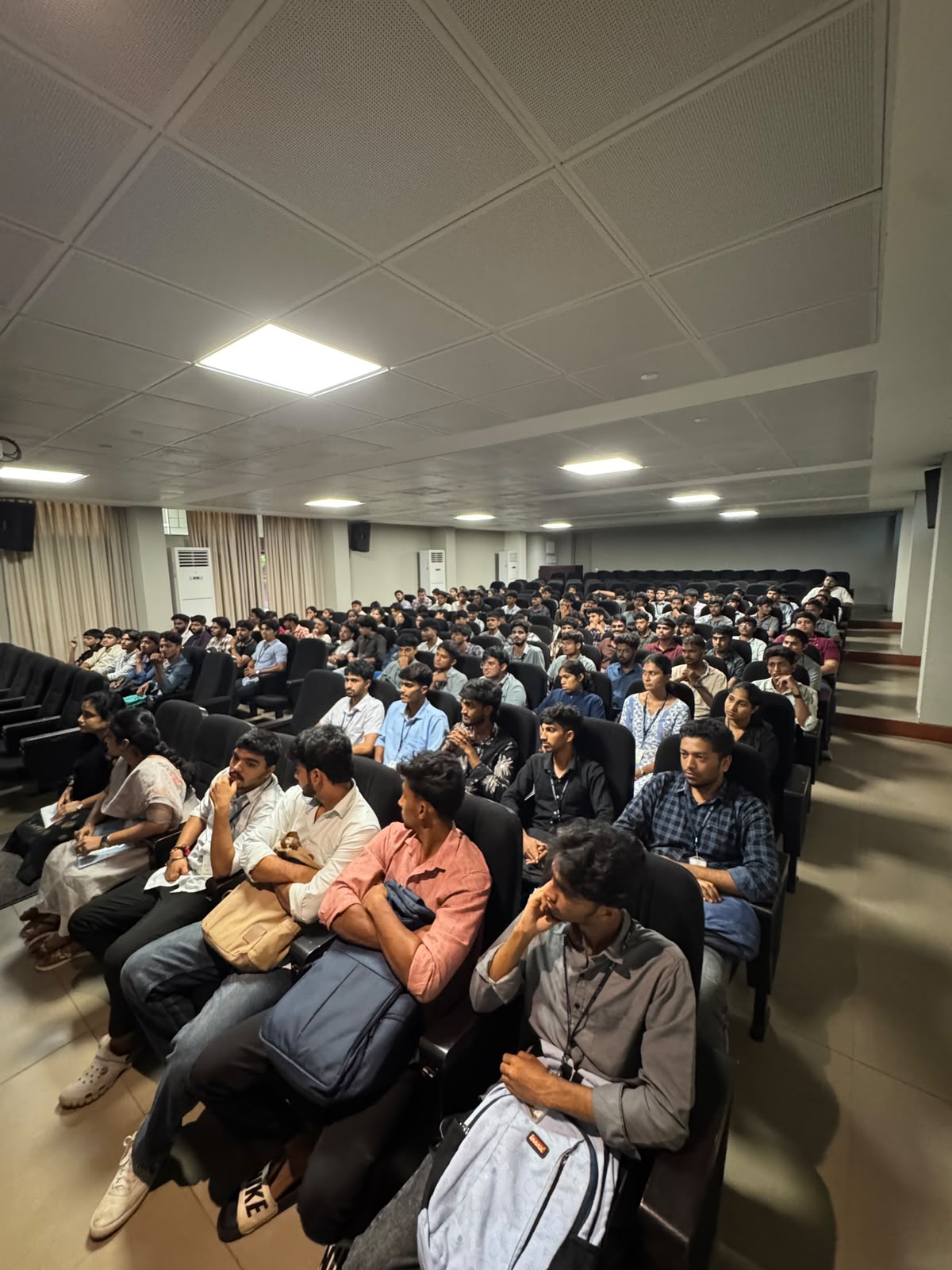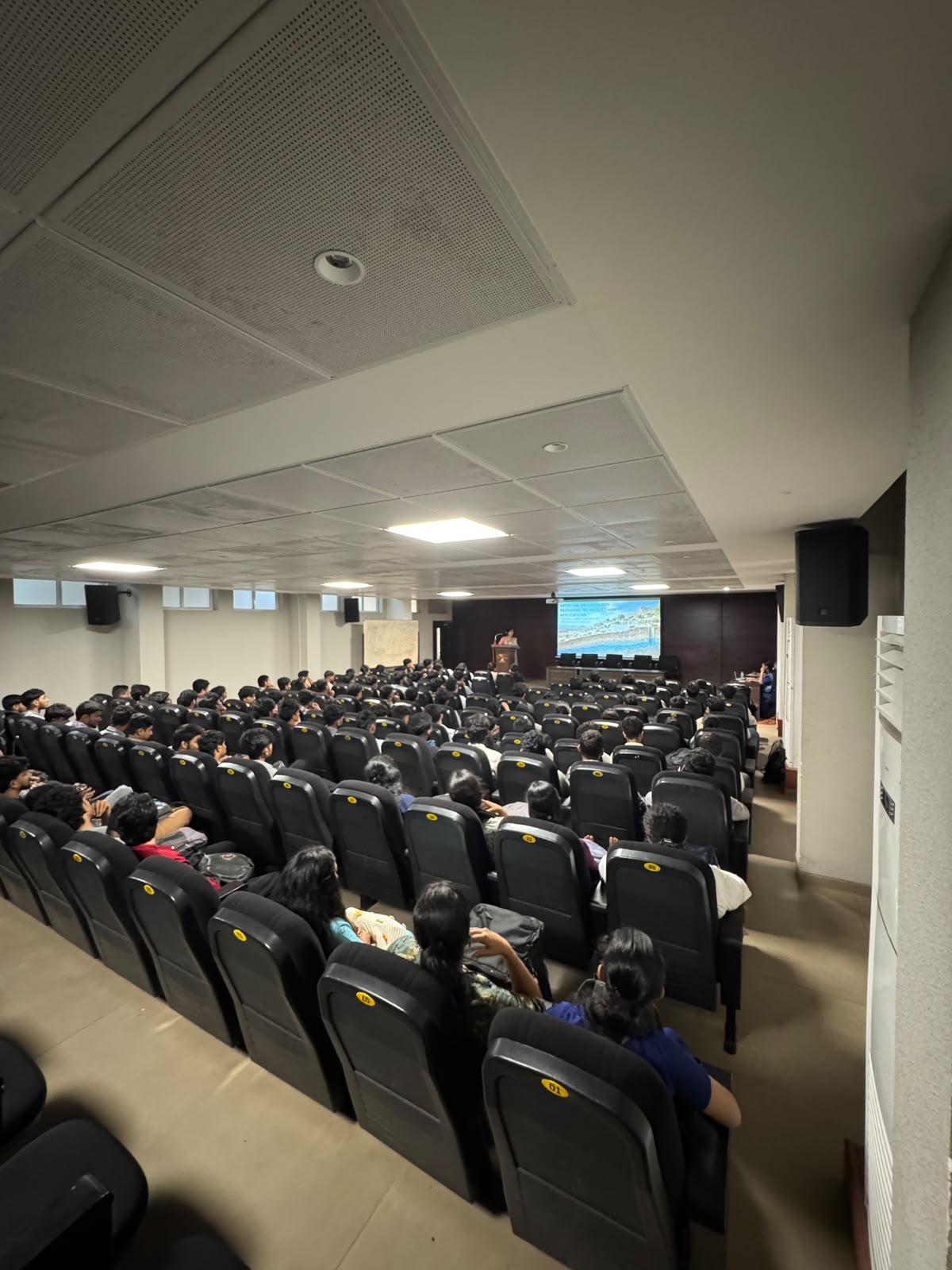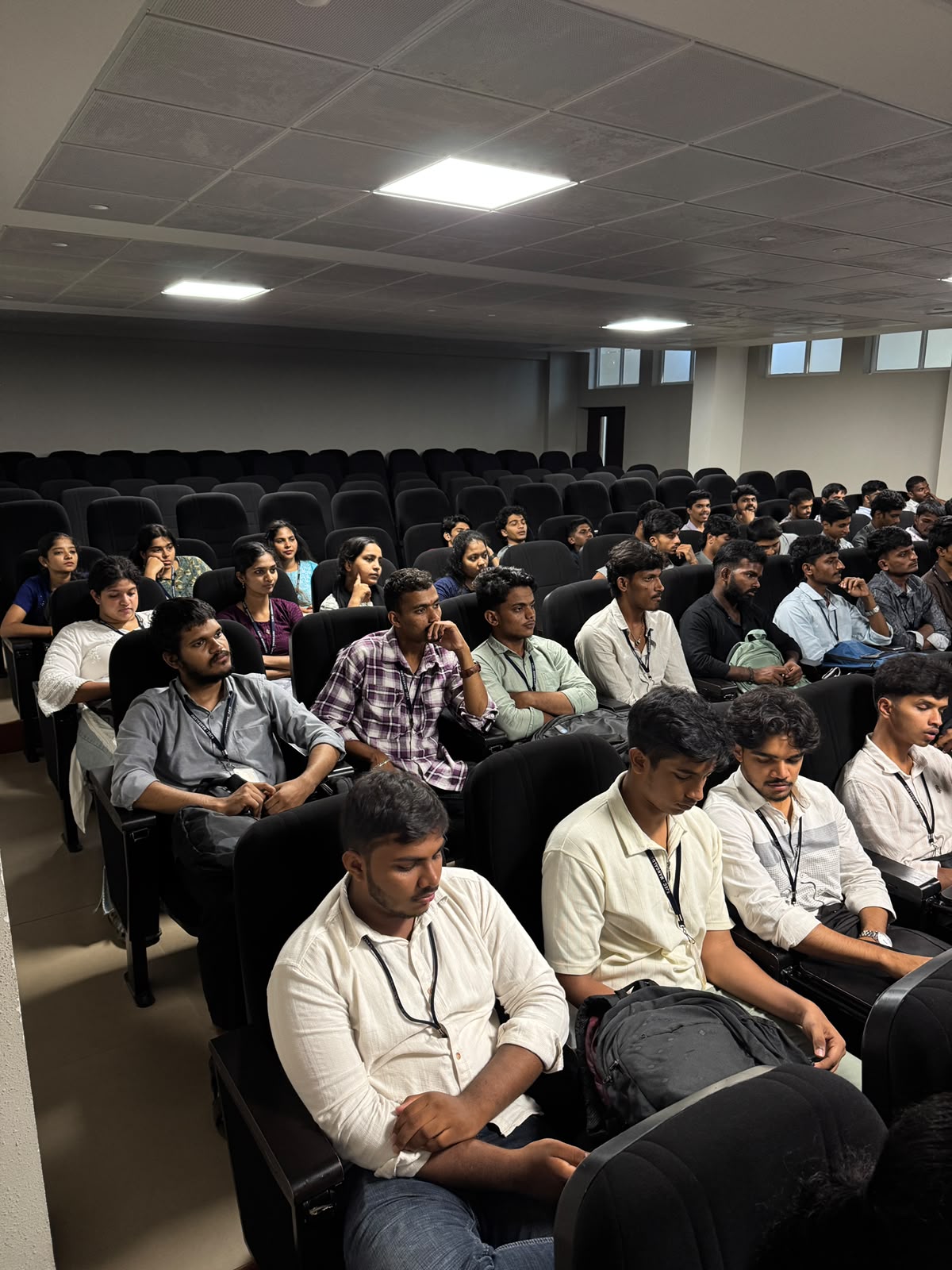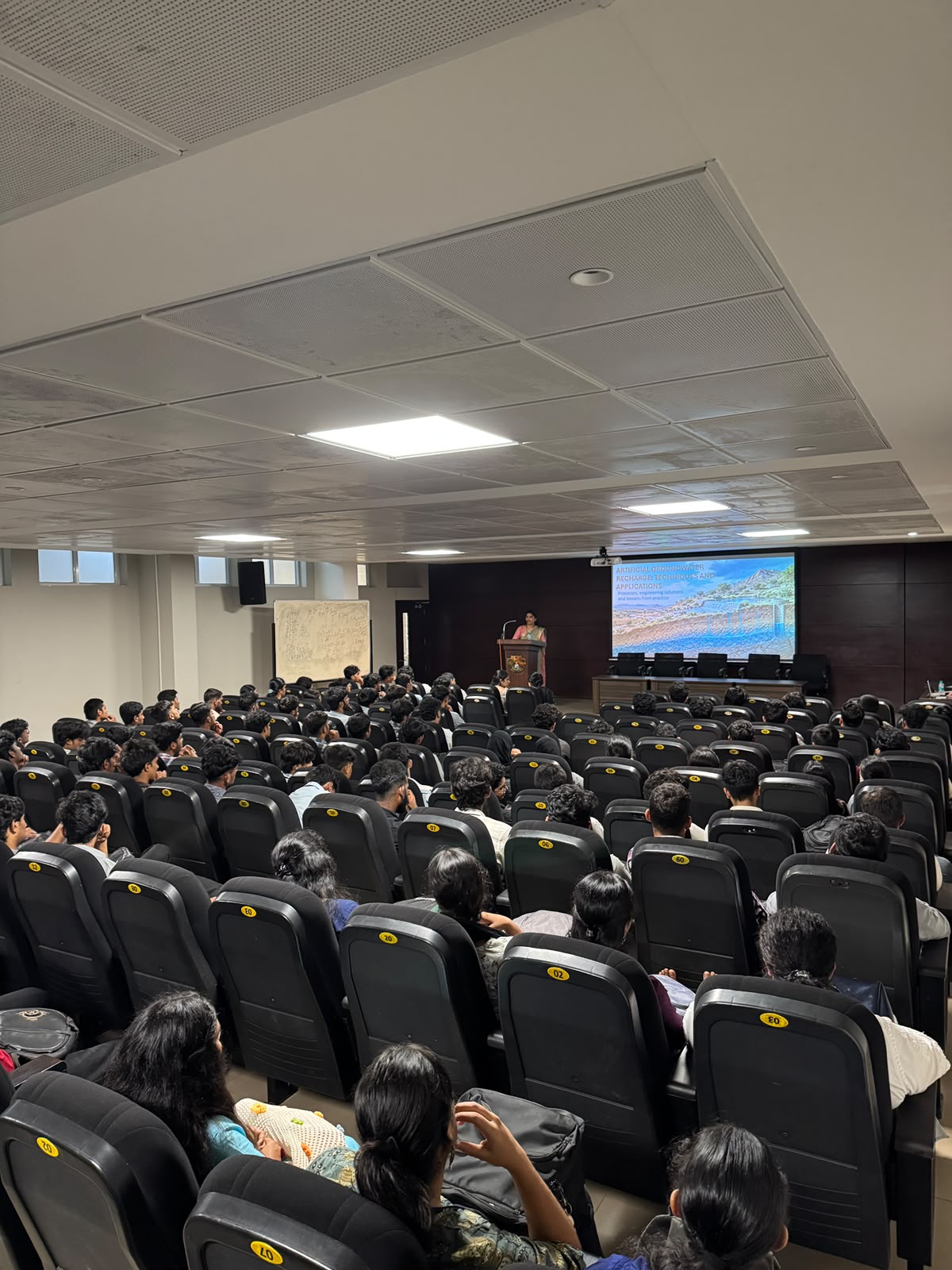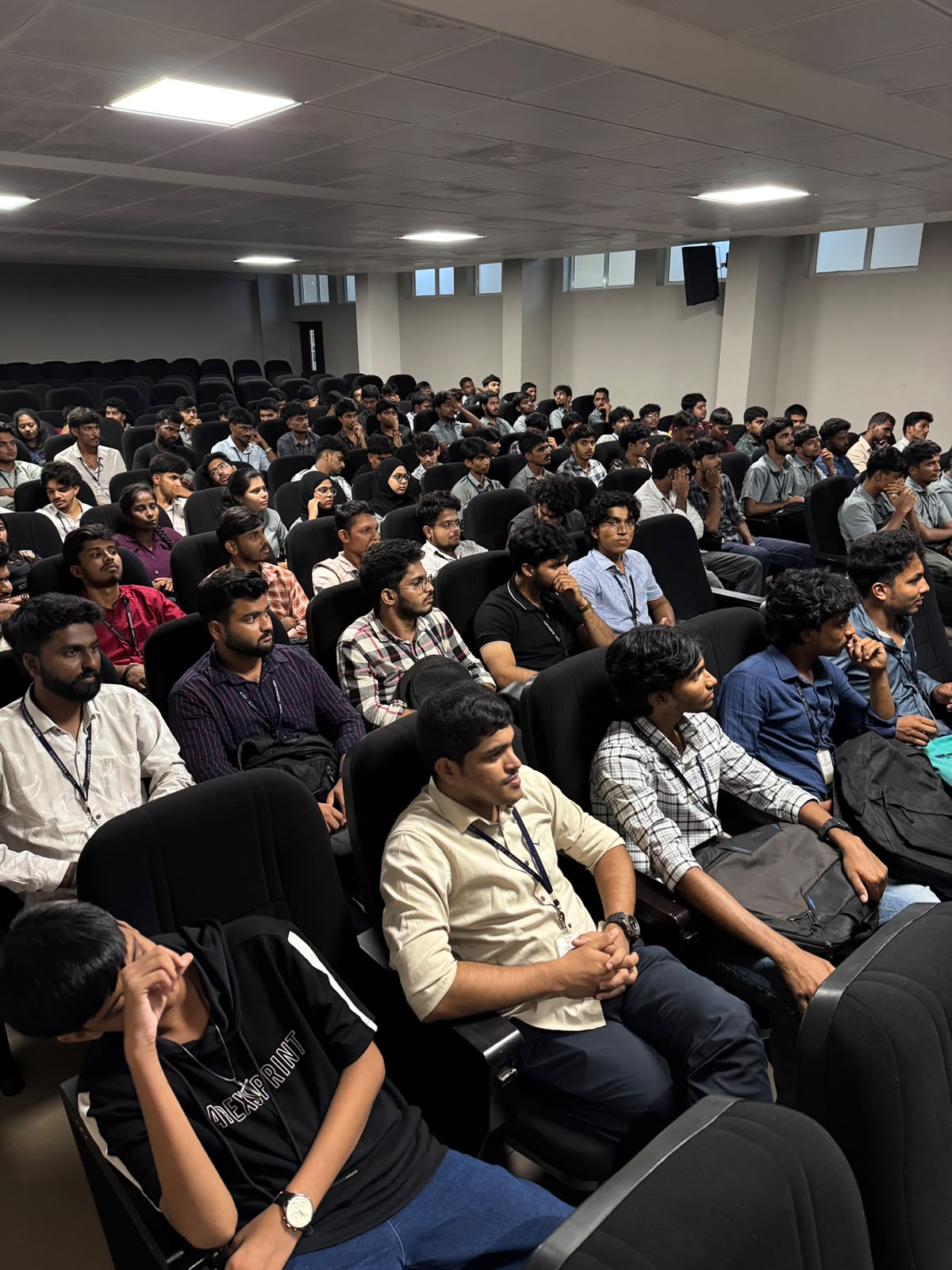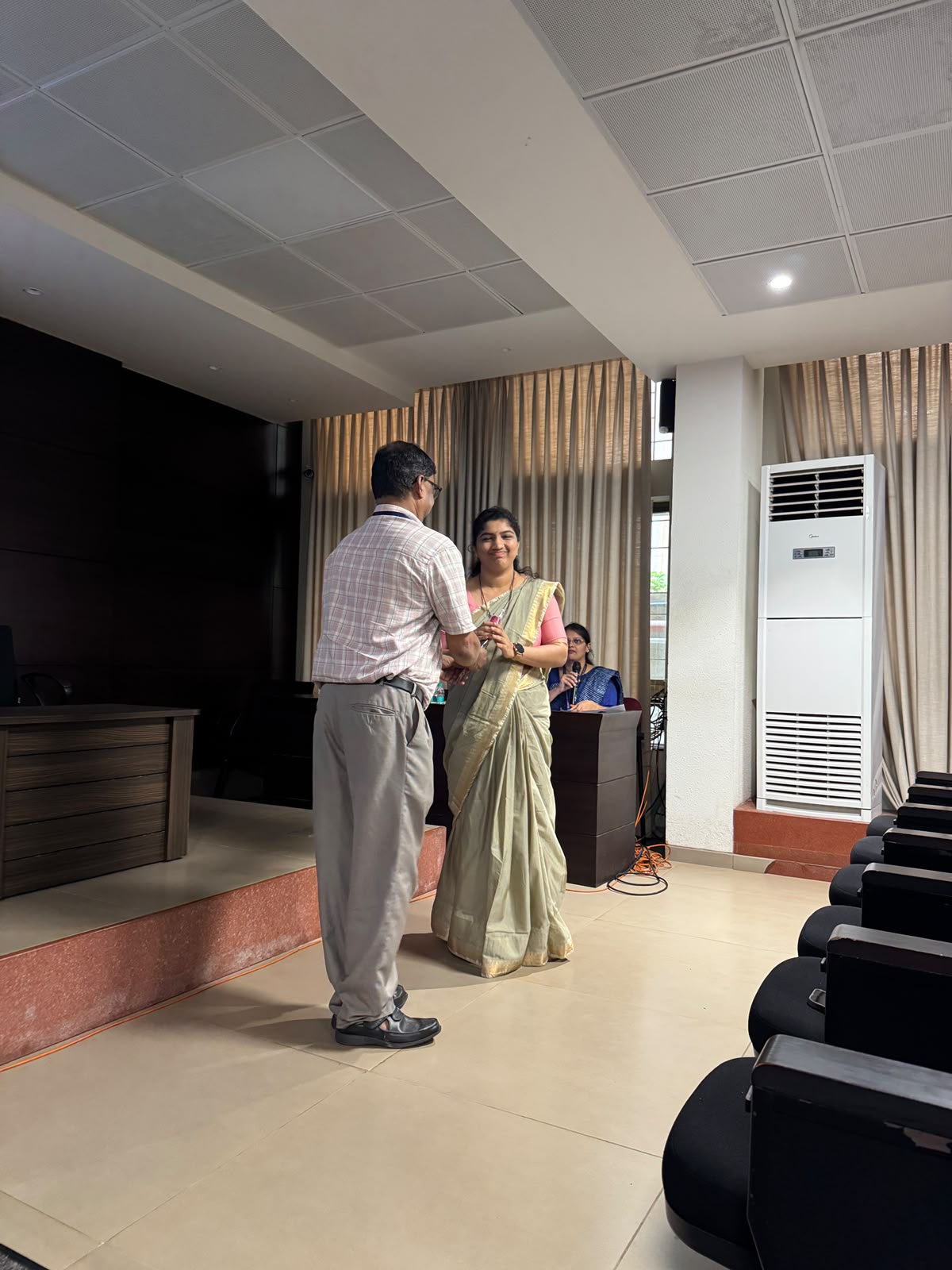
On September 26, 2026, the Department of Civil Engineering at St. Joseph Engineering College (SJEC), Mangaluru, in association with the Development & Planning Group (DPG), conducted an intensive technical programme designed to bridge the gap between academic theory and real-world Civil Engineering applications. Organized under the leadership of HOD Dr. Yajnheswaran B and coordinated by Assistant Professors Dr. Nishitha J. Dsouza and Ms. Pranamya K, the initiative brought together students for a comprehensive dual-session day focused on two vital pillars of modern infrastructure development: sustainable water resource management and open-source geospatial analysis.
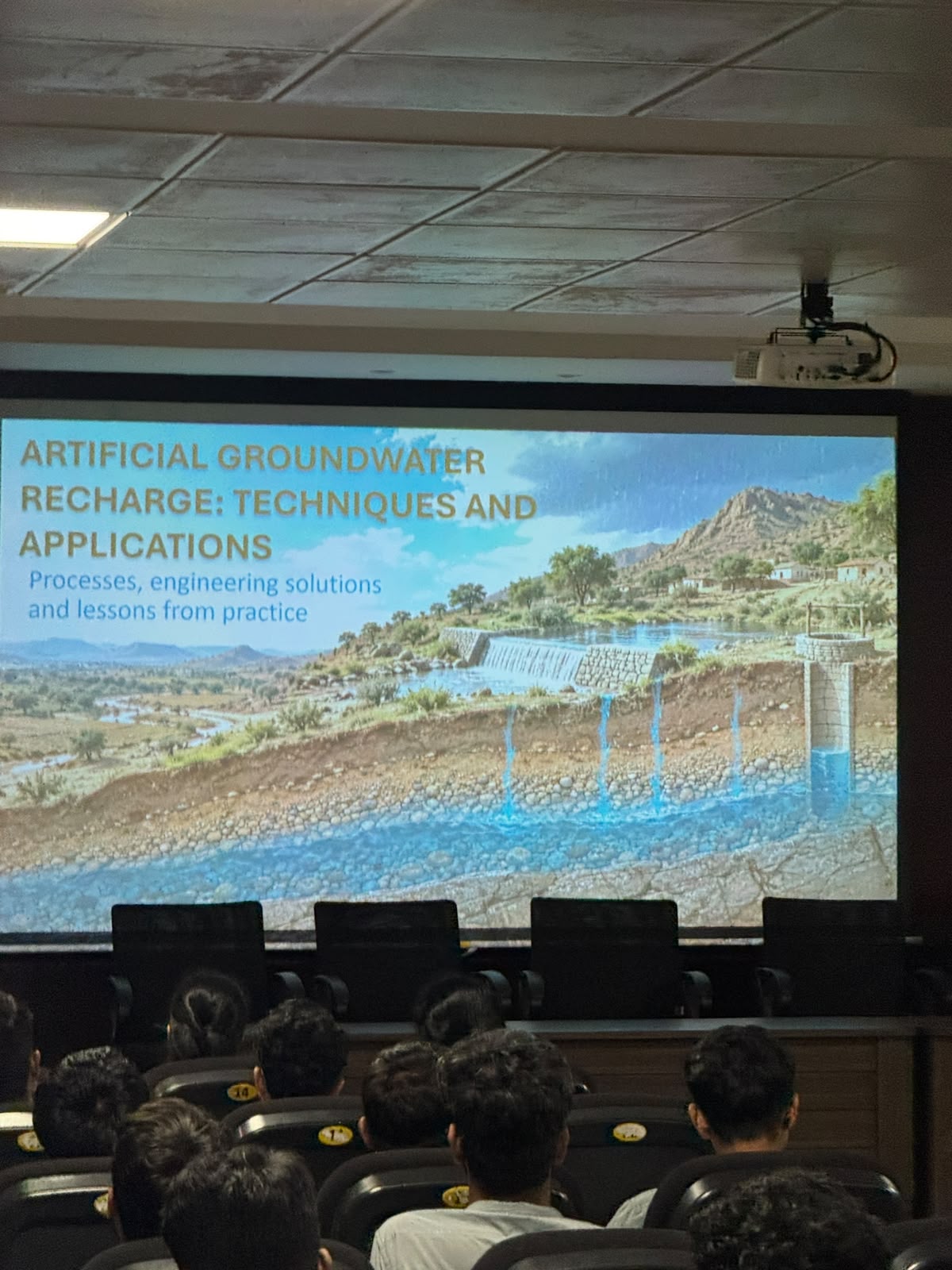
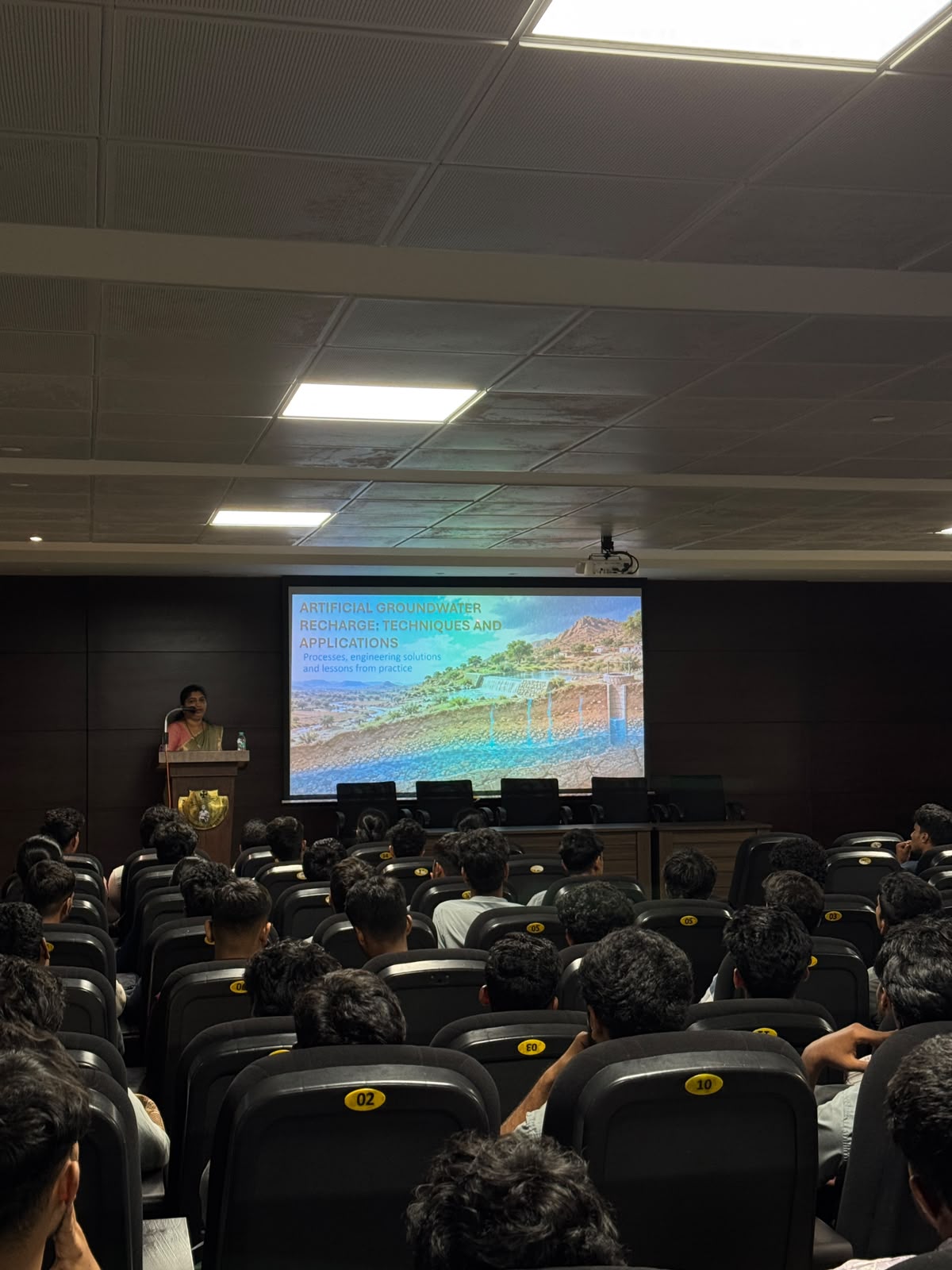
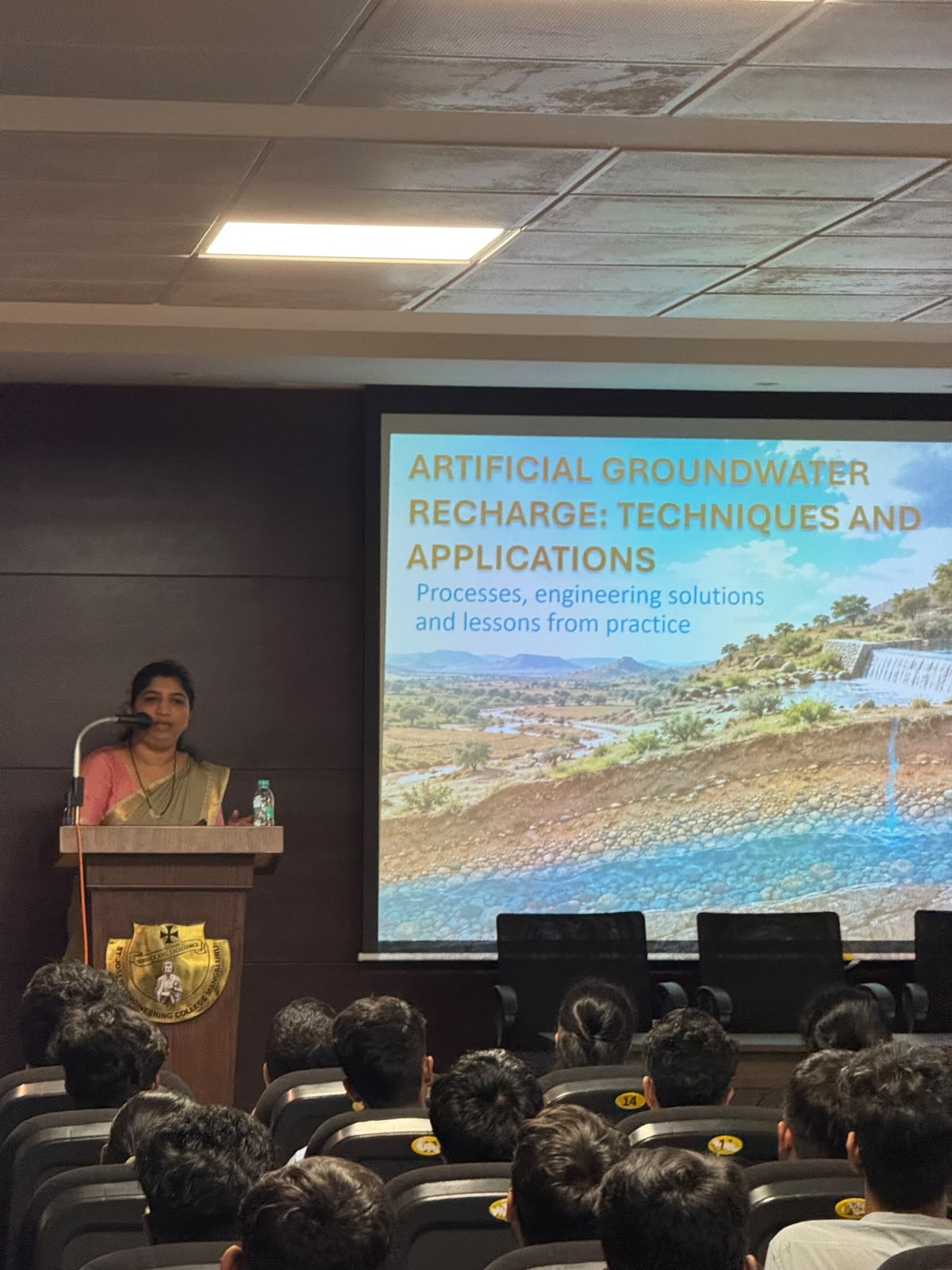
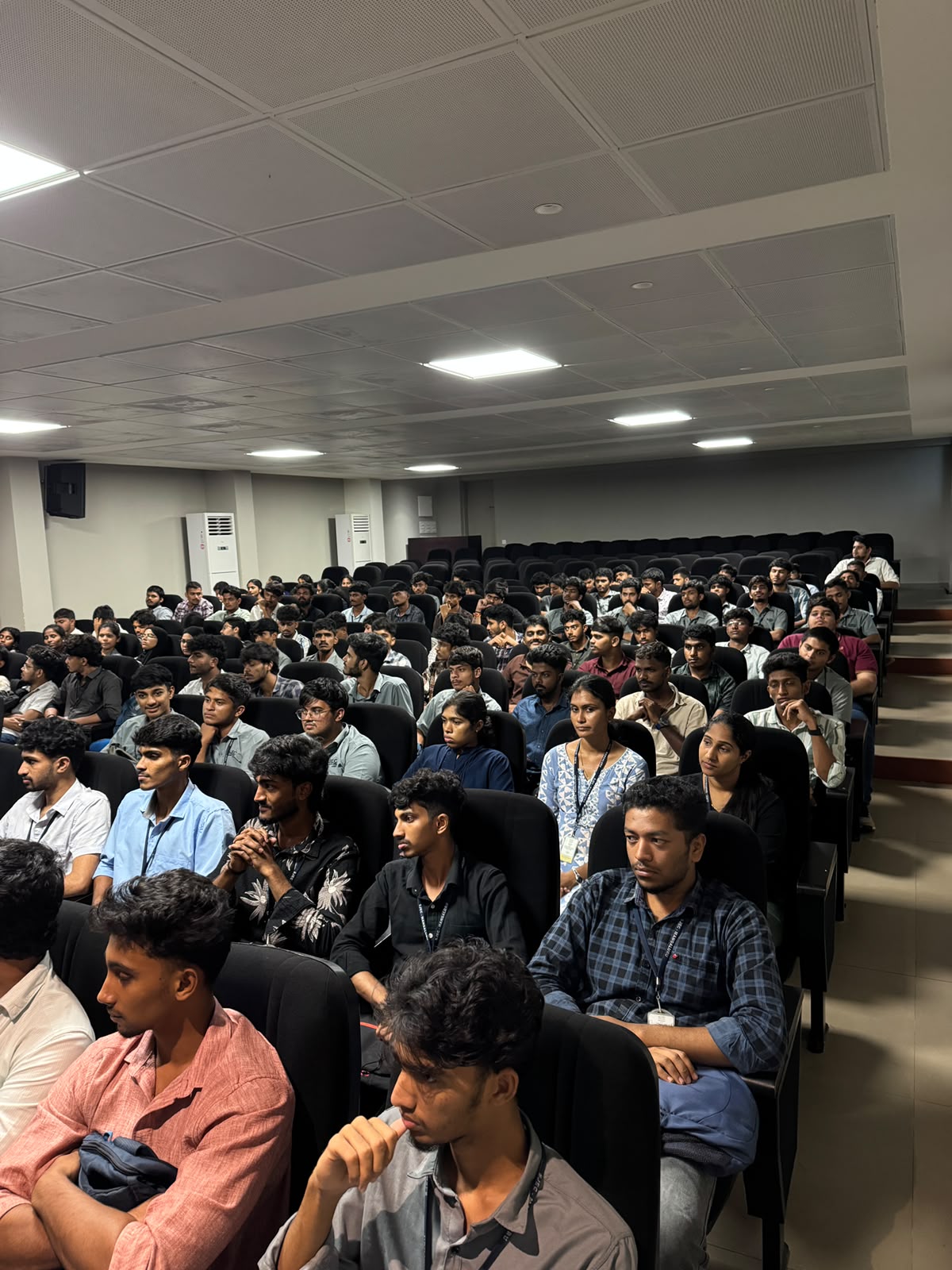
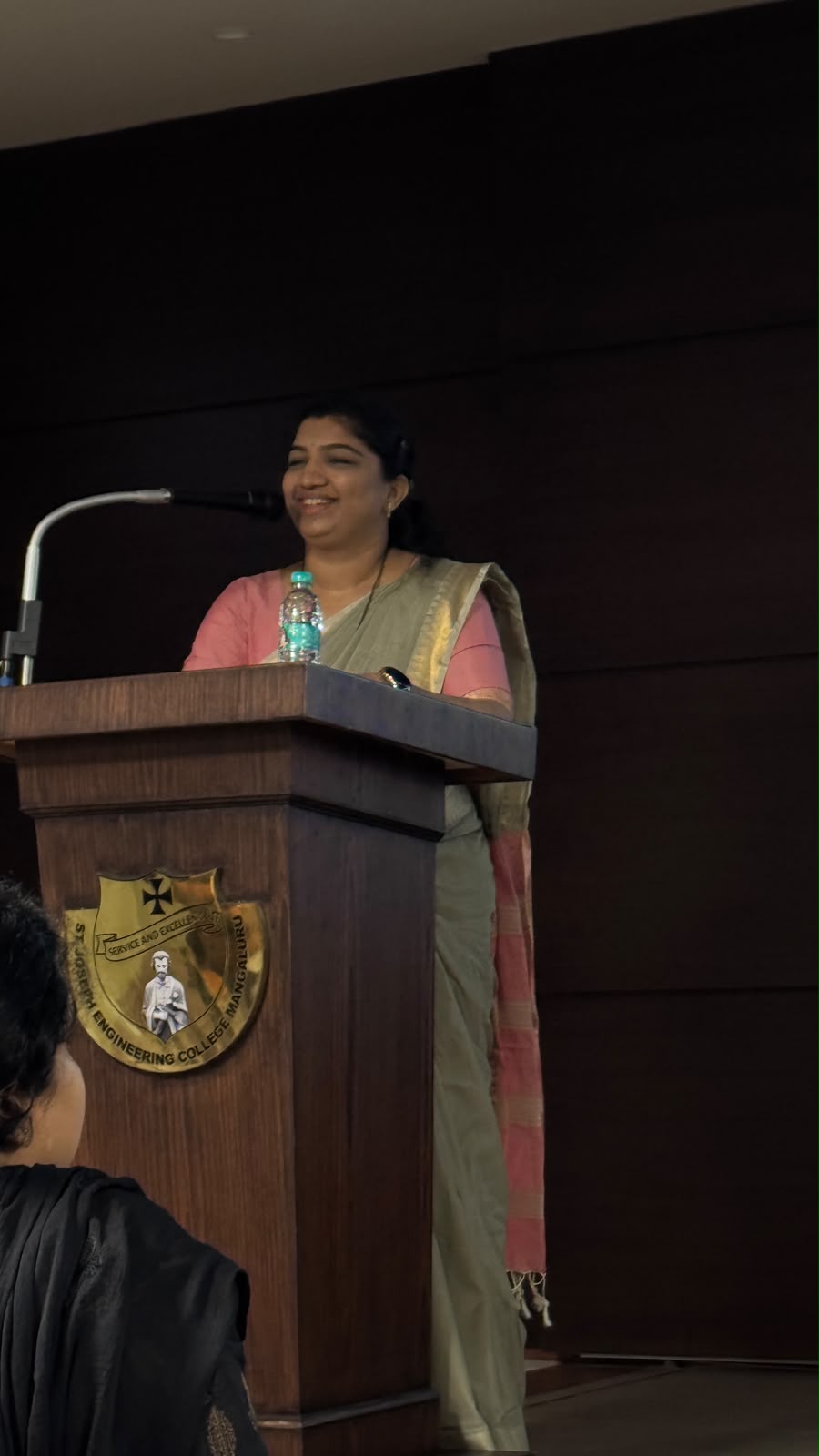
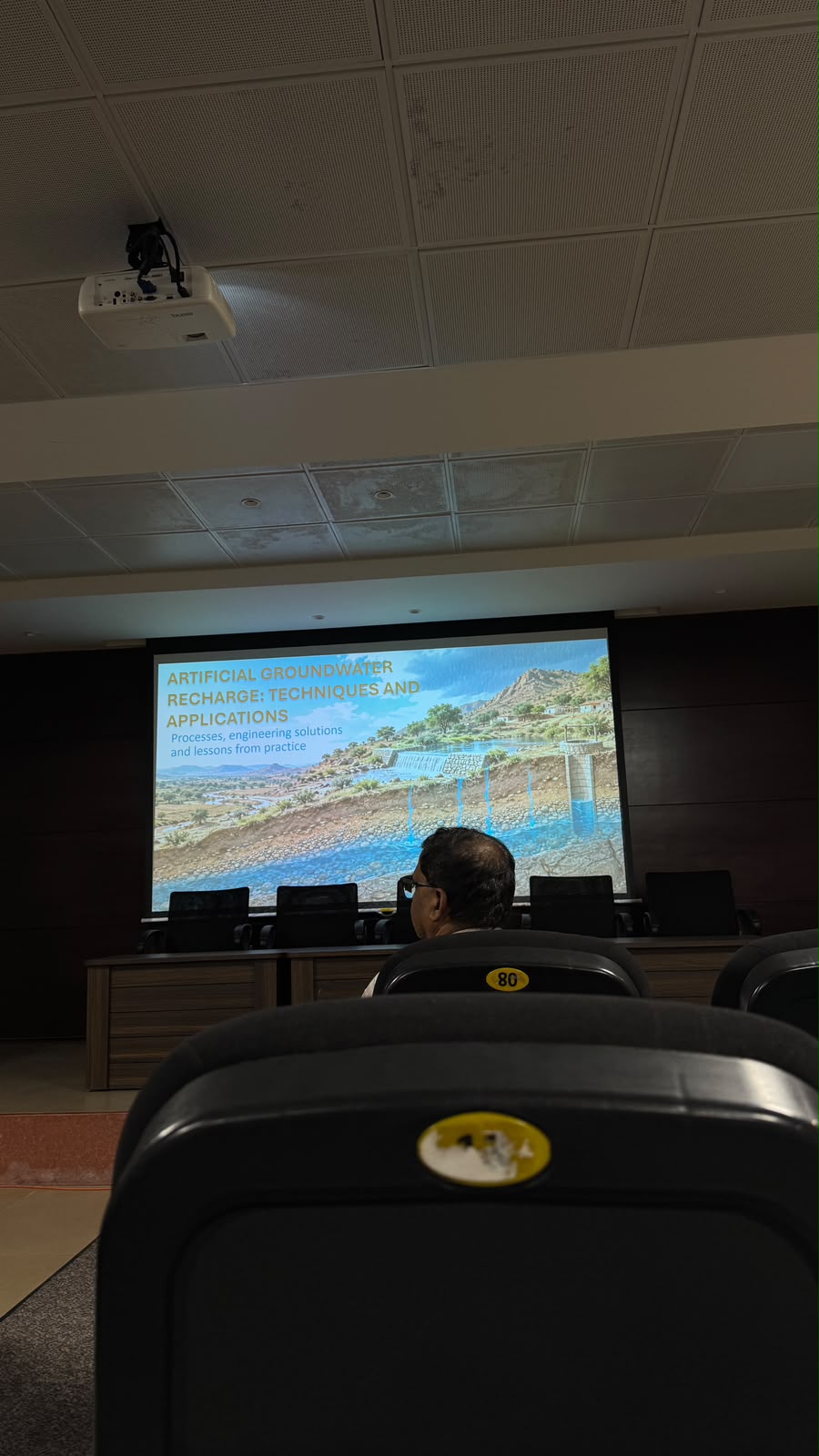
The morning segment commenced at 12:00 PM in Prerana Hall (AB III) with an authoritative technical talk titled "Artificial Groundwater Recharge: Techniques and Applications." Delivered by Dr. Akshitha, Research Associate in Climate Change & Health at the Prasanna School of Public Health, Manipal, the presentation addressed the growing challenge of regional water scarcity and the urgent need for artificial aquifer replenishment. Dr. Akshitha detailed how site-specific hydrogeological conditions, local soil characteristics, and seasonal runoff patterns govern the selection of technical recharge structures—ranging from percolation tanks and check dams to subsurface dykes and injection wells. Students gained clear practical insight into evaluating water availability and designing engineered interventions that secure long-term groundwater sustainability.
Following the mid-day recess, the programme transitioned at 2:00 PM to the MBA Computer Lab (Room 3707) for a two-hour interactive hands-on workshop, "Geospatial Tools for Civil Engineers: A Hands-On Introduction to QGIS." Guided through the fundamental functionalities of the open-source QGIS platform, participants worked directly with spatial datasets to perform mapping, vector-raster integration, and data visualization. The session demonstrated the practical versatility of Geographic Information Systems across core civil engineering domain areas—including land surveying, urban infrastructure planning, catchment area modeling, and environmental impact management. By combining conceptual rigor with active software operation, the joint event succeeded in equipping students with actionable technical capabilities for contemporary engineering practice.