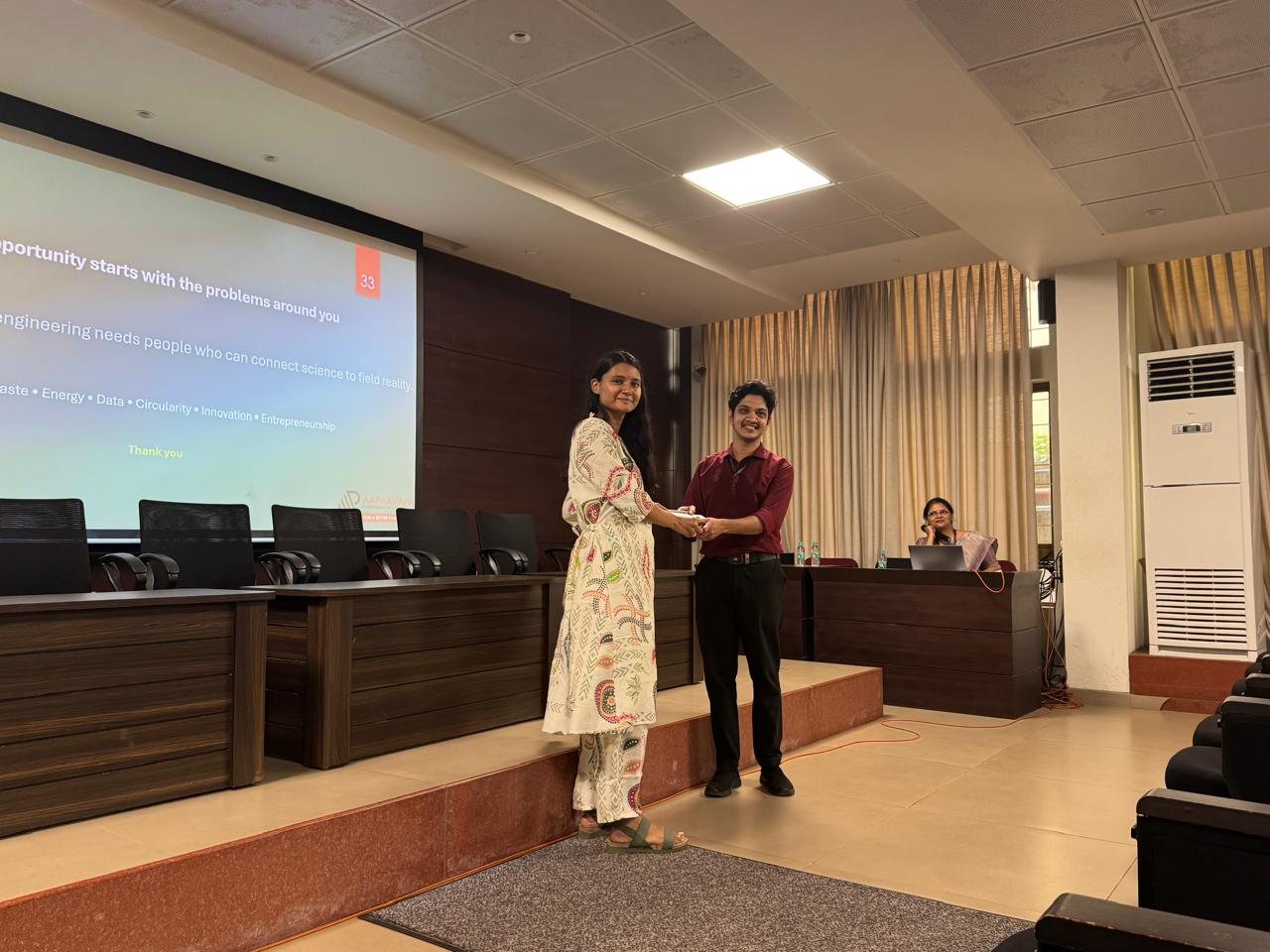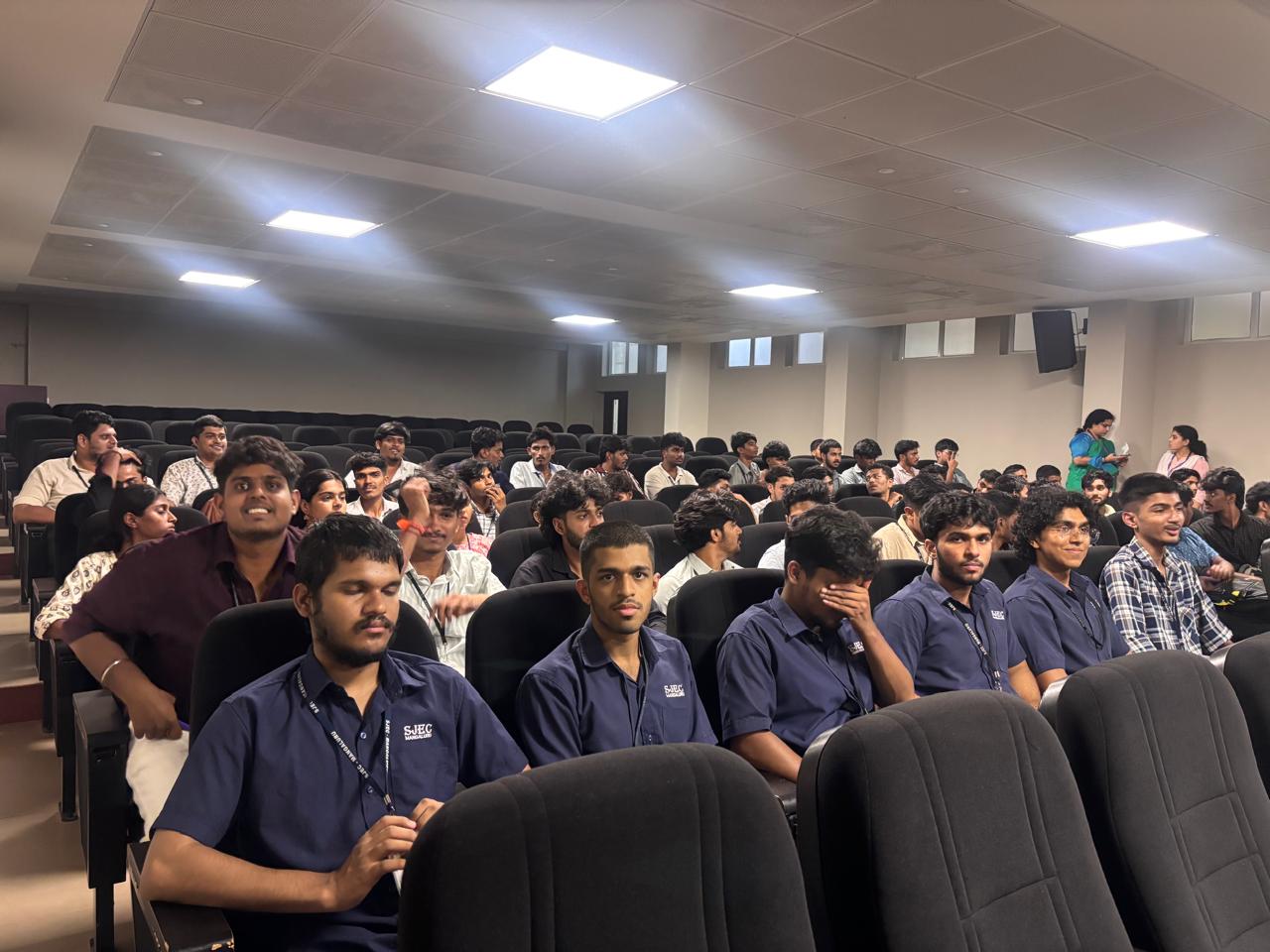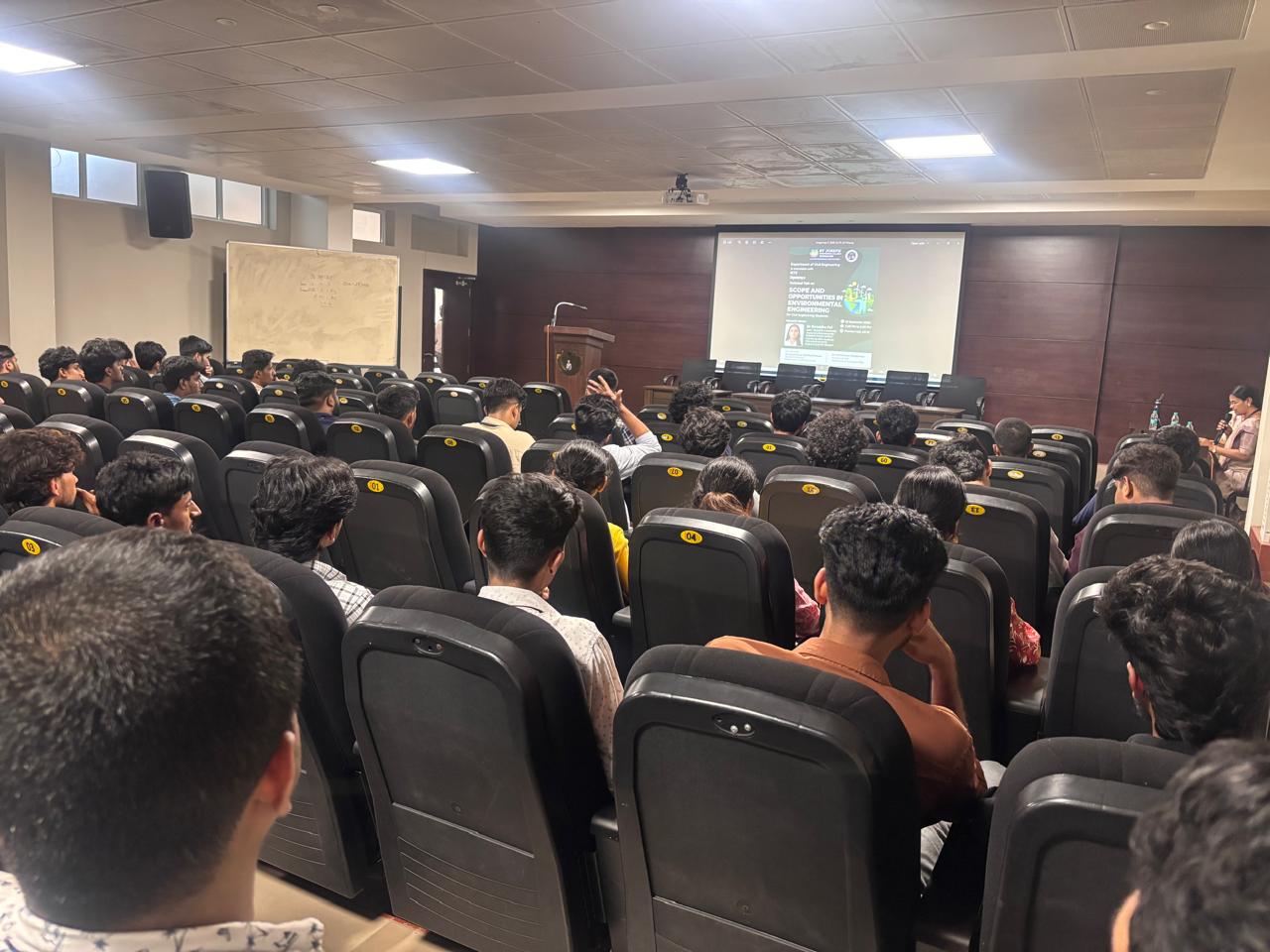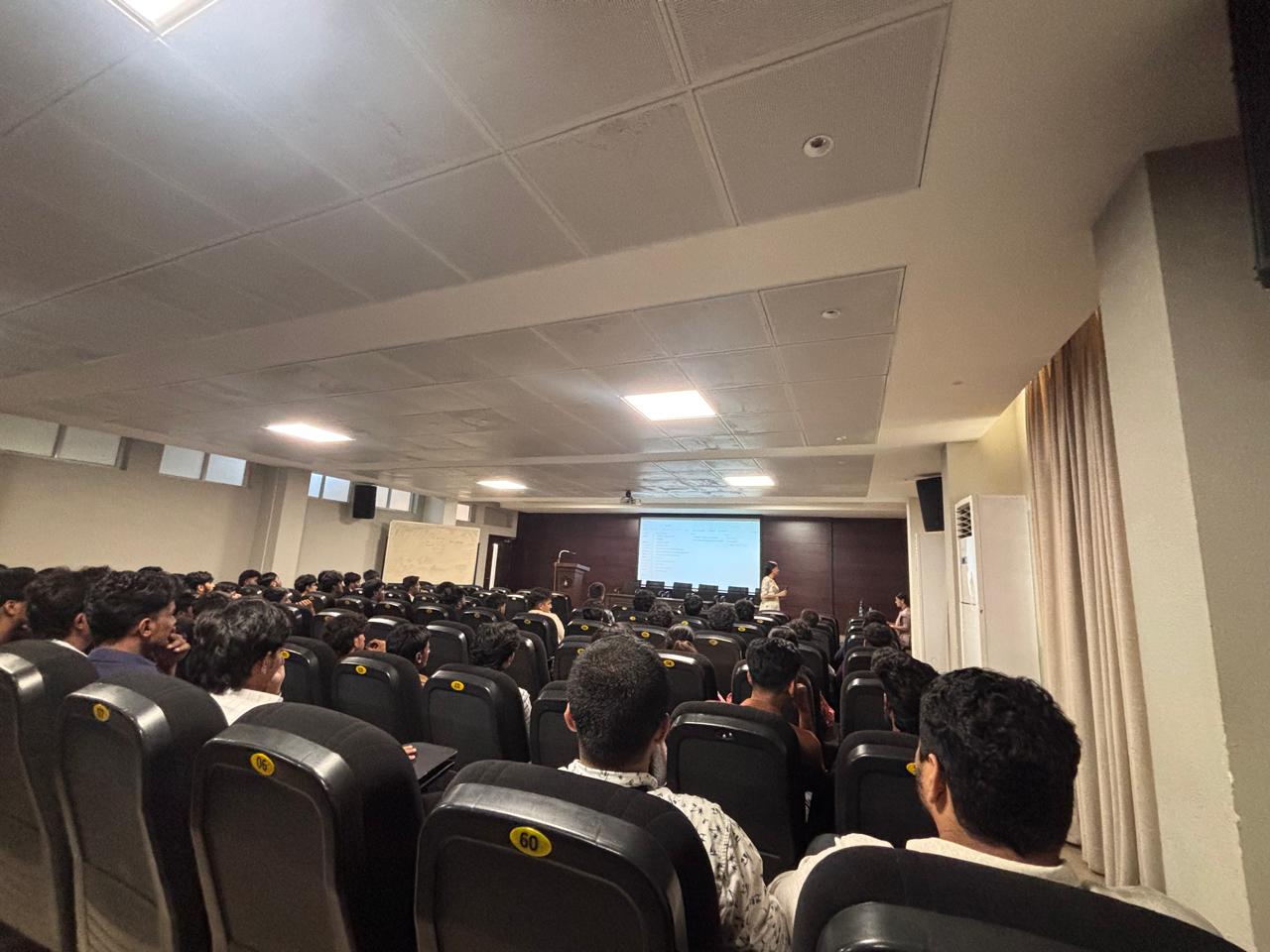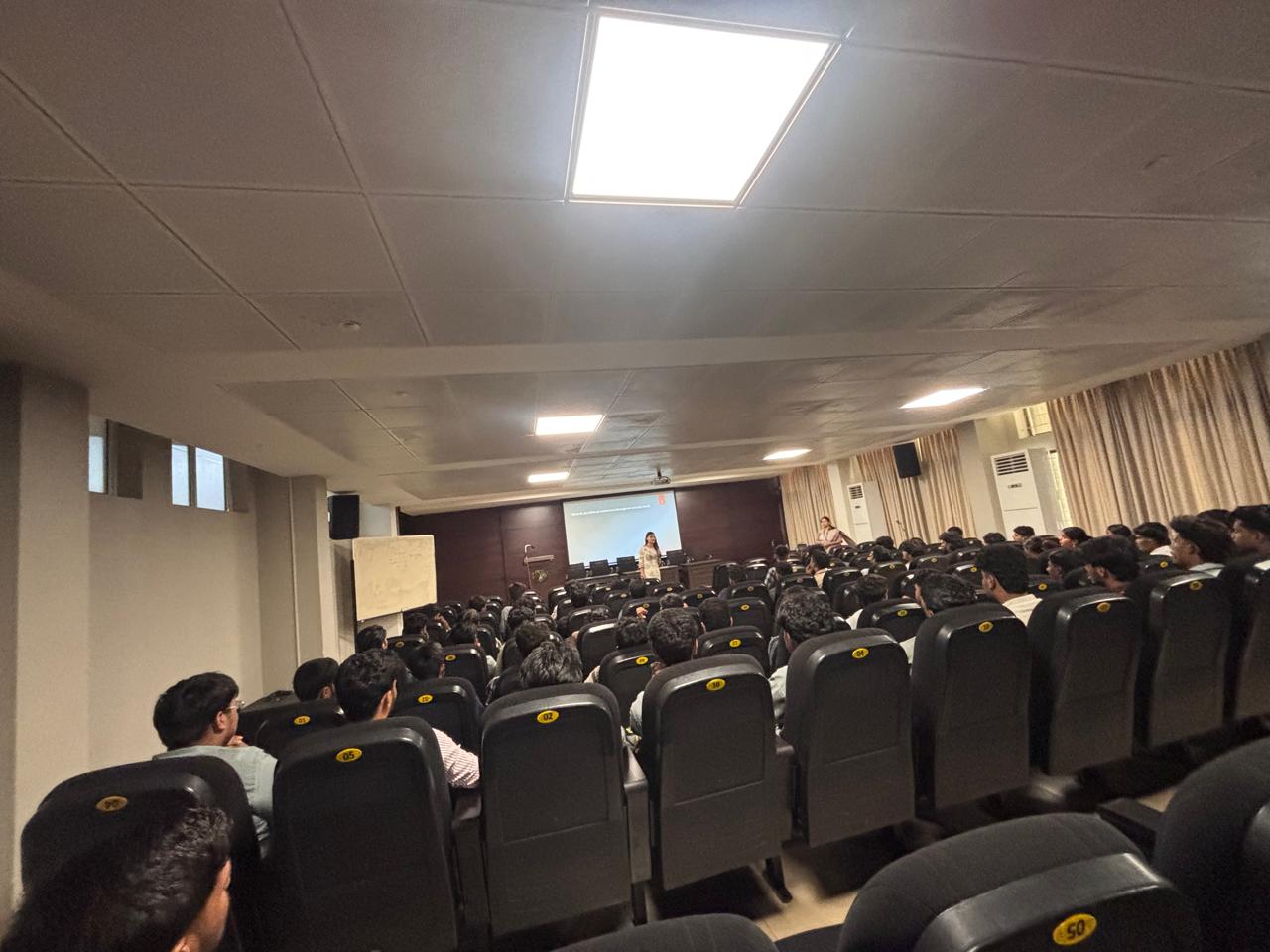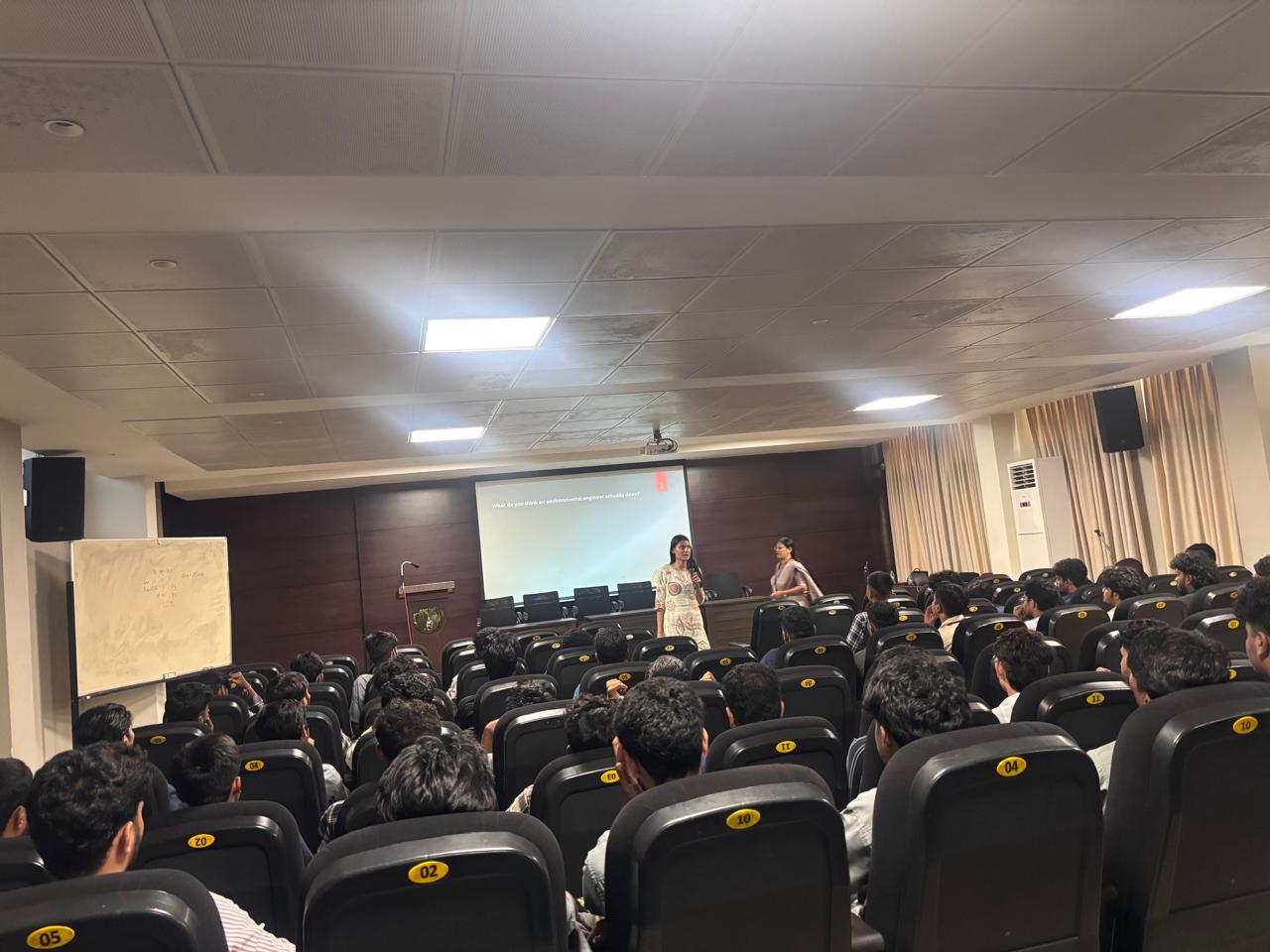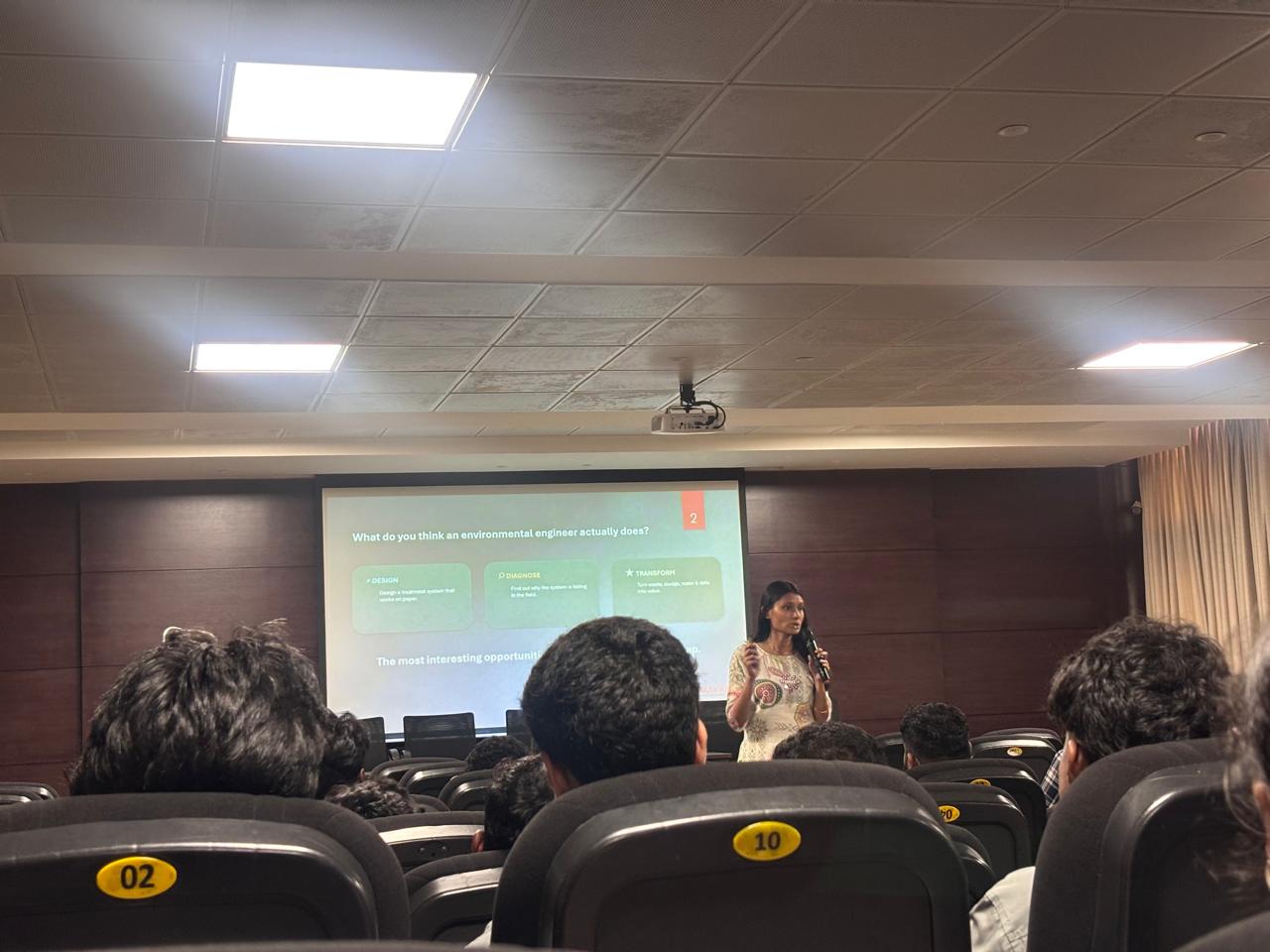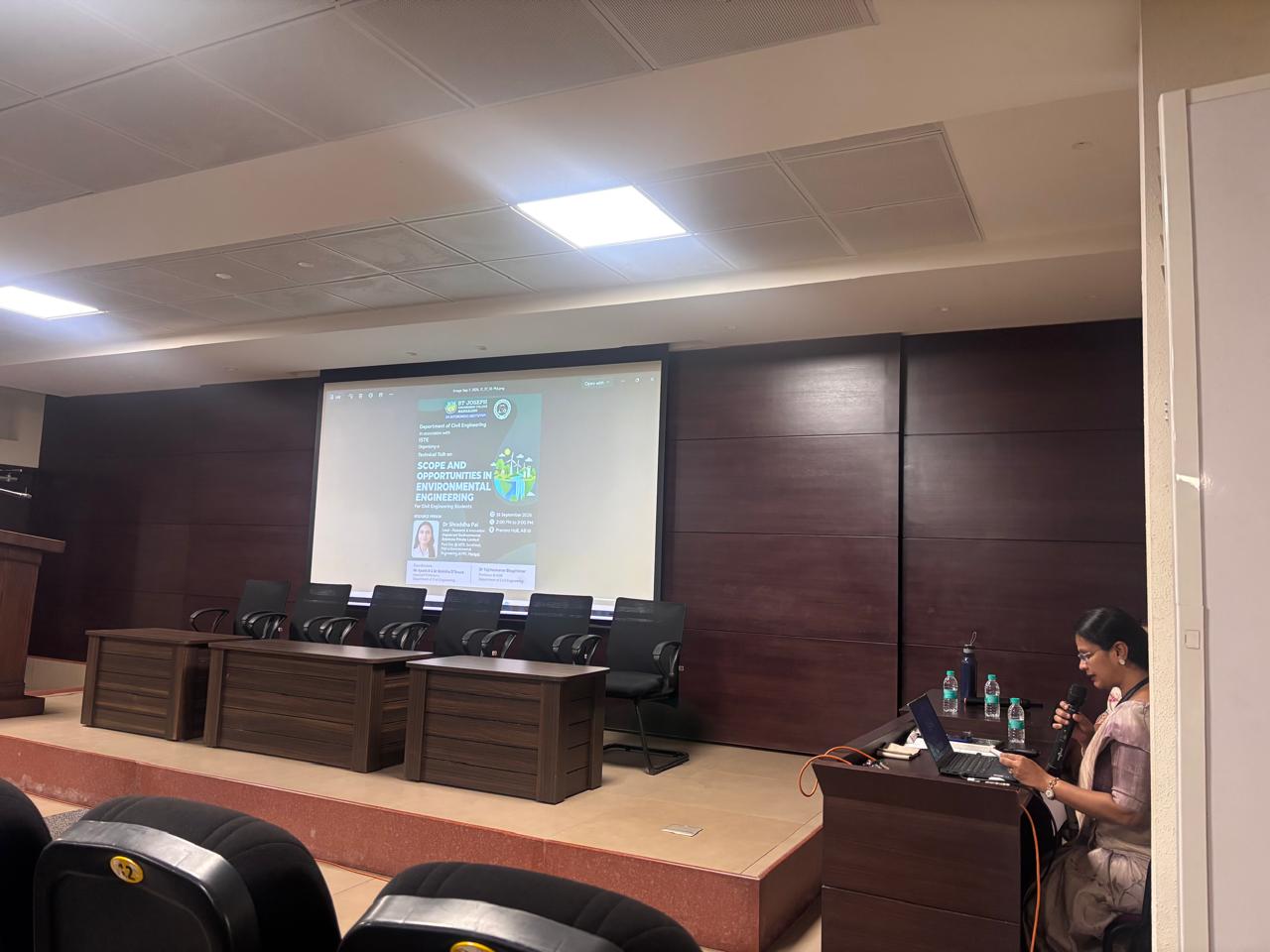
The Department of Civil Engineering, St Joseph Engineering College, Mangaluru, in association with ISTE, organized a technical talk on “Scope and Opportunities in Environmental Engineering” on 16 September 2026 at Prerana Hall, AB III. The programme was organized for Civil Engineering students to enhance their awareness of the expanding scope, emerging technologies, research avenues, and career opportunities in Environmental Engineering. The programme was coordinated by Mr. Ajeeth B and Dr. Nishitha D’Souza, Assistant Professors, Department of Civil Engineering.
The session was delivered by Dr. Shraddha Pai, Lead – Research & Innovation, Aapaavani Environmental Solutions Private Limited. She has pursued postdoctoral research at NITK Surathkal and holds a Ph.D. in Environmental Engineering from MIT, Manipal. Her areas of expertise include nanomaterials, water and wastewater treatment technologies, environmental sustainability, pollutant removal, and green synthesis of nanoparticles.
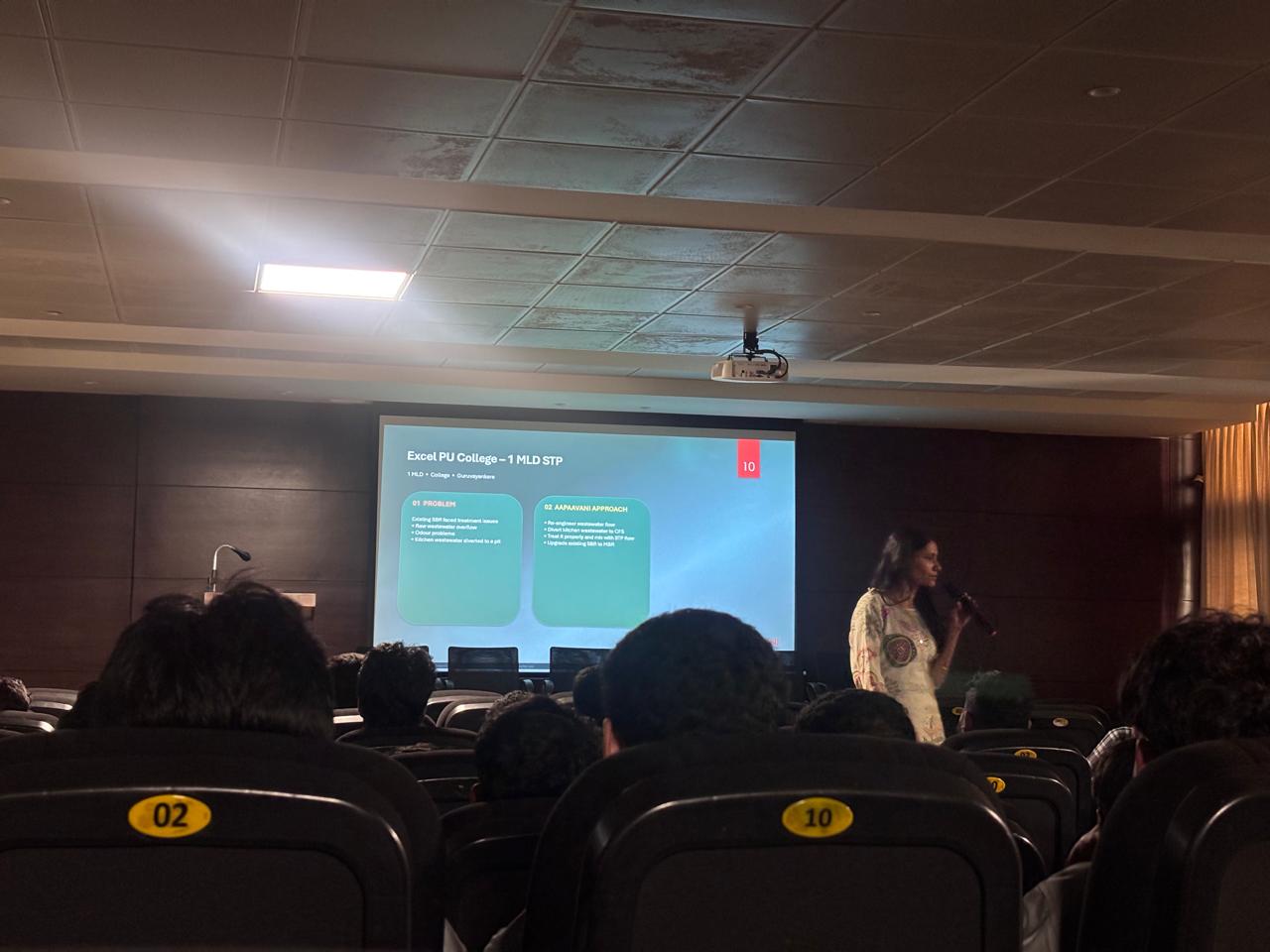
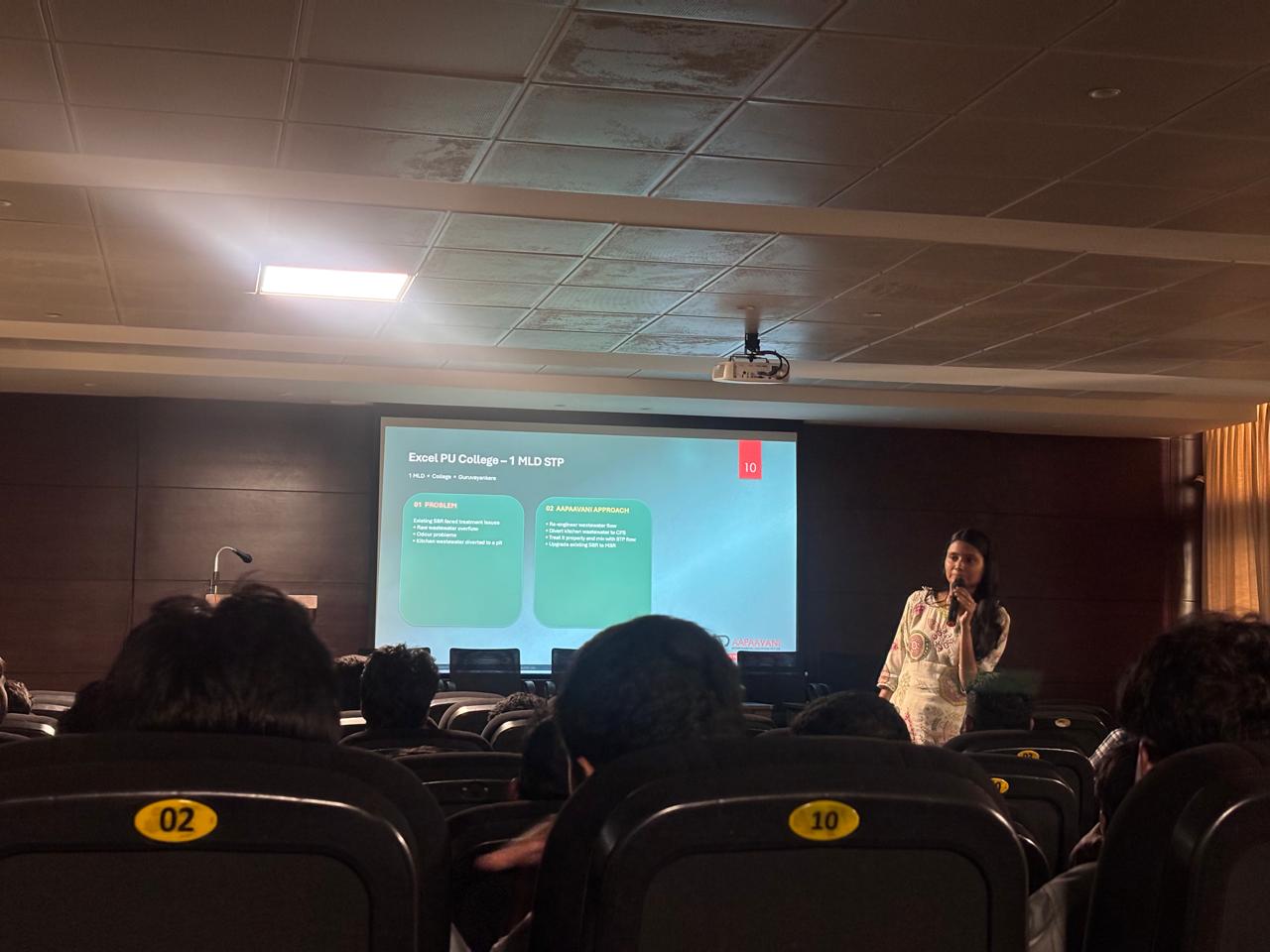
During the session, Dr. Shraddha Pai introduced students to the diverse and evolving domains of Environmental Engineering and discussed the increasing importance of sustainable technologies in addressing contemporary environmental challenges. Drawing from her research experience, she explained developments in water disinfection, wastewater treatment, adsorption, photocatalysis, and environmental nanotechnology, enabling students to understand how fundamental engineering concepts are translated into research and practical environmental solutions.
The talk also highlighted various professional pathways available to Civil Engineering graduates, including higher education, research and development, environmental industries, consultancy, water and wastewater management, and emerging environmental technologies. The session demonstrated the interdisciplinary nature of Environmental Engineering and its applications beyond conventional Civil Engineering practice.
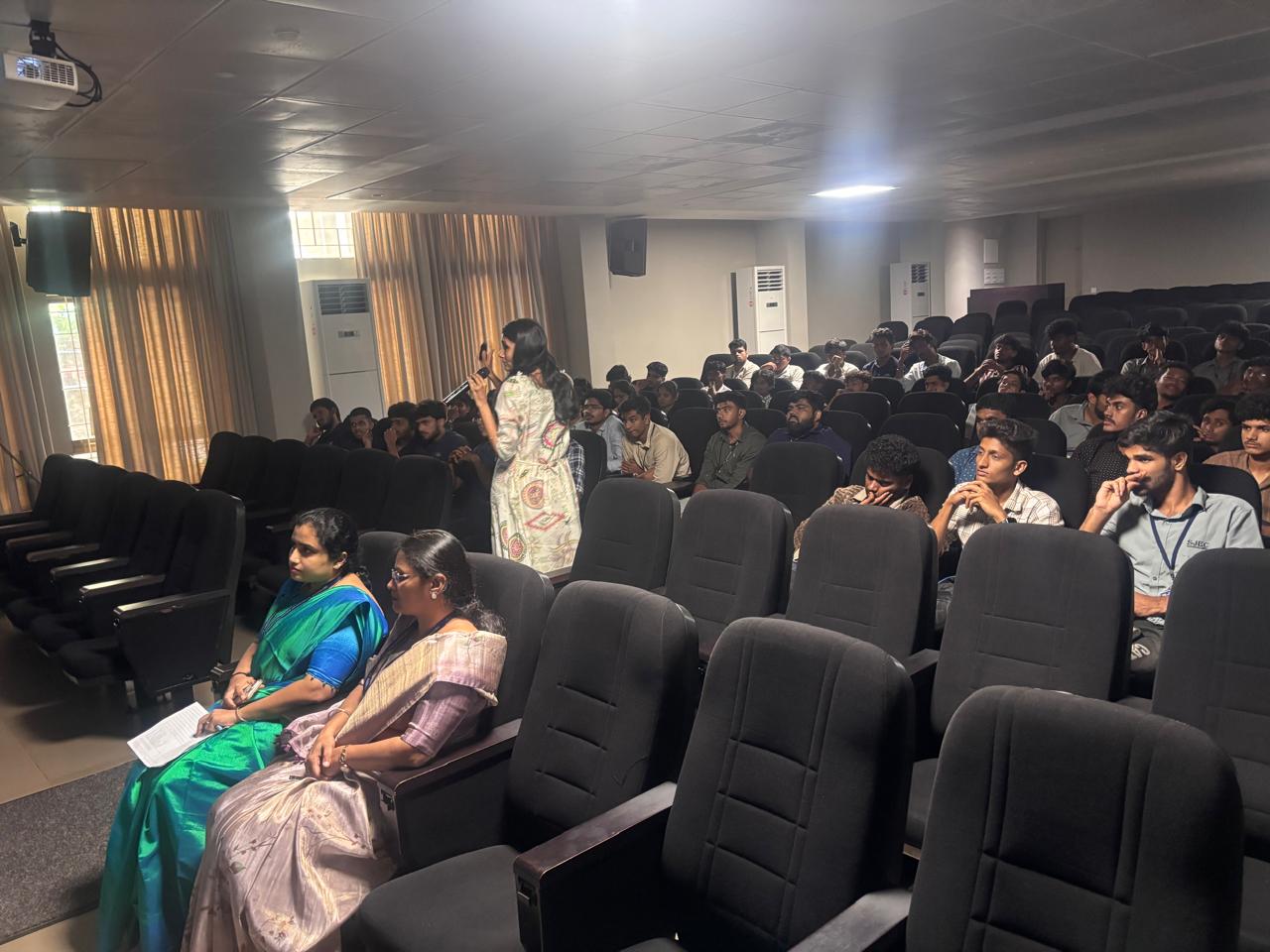
The interaction with the resource person provided students with a broader perspective on current environmental challenges and the role of engineers in developing sustainable and innovative solutions. The programme helped bridge the gap between classroom learning, advanced research, industrial applications, and professional opportunities, while encouraging students to explore Environmental Engineering as a potential area for higher studies, research, and career development.