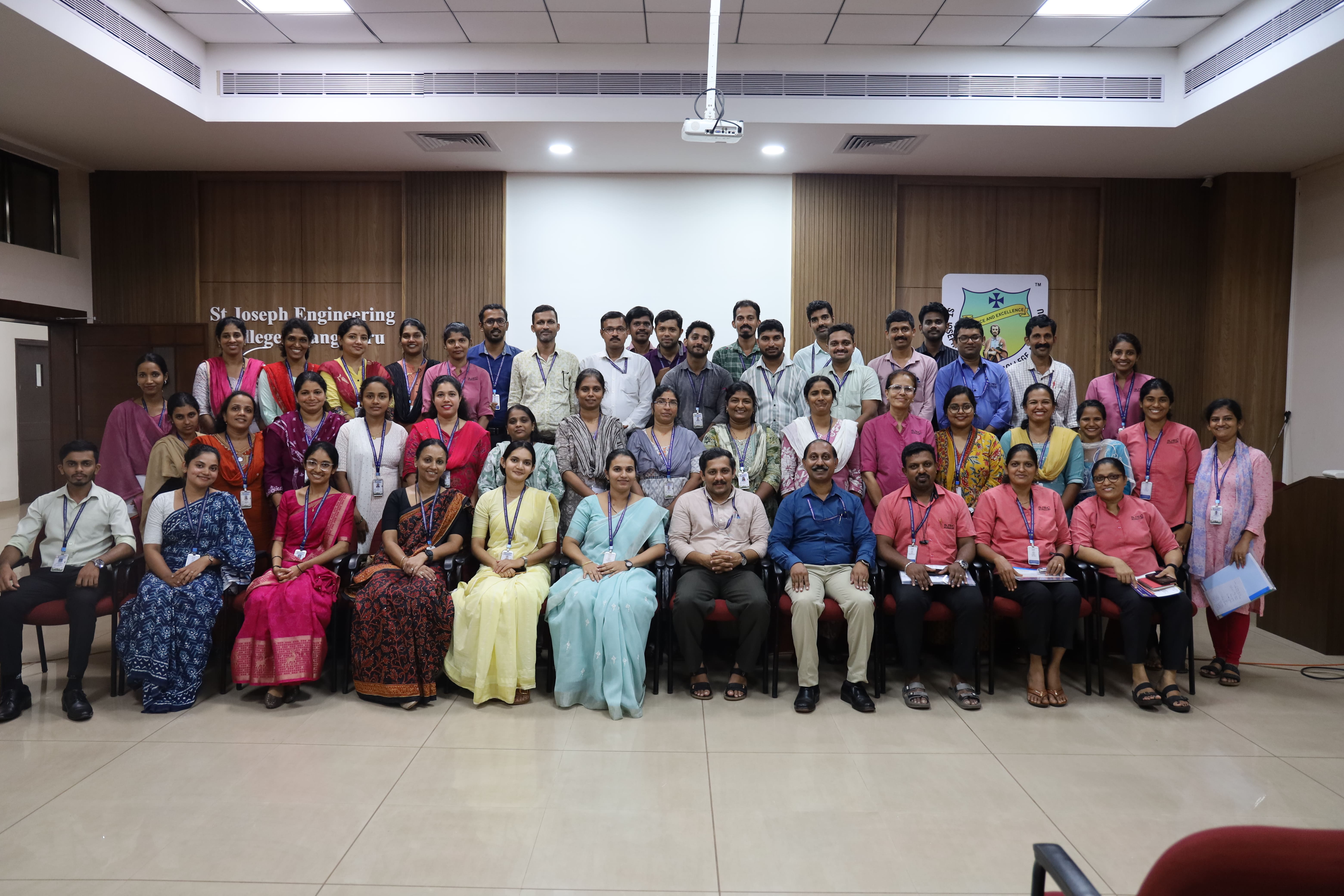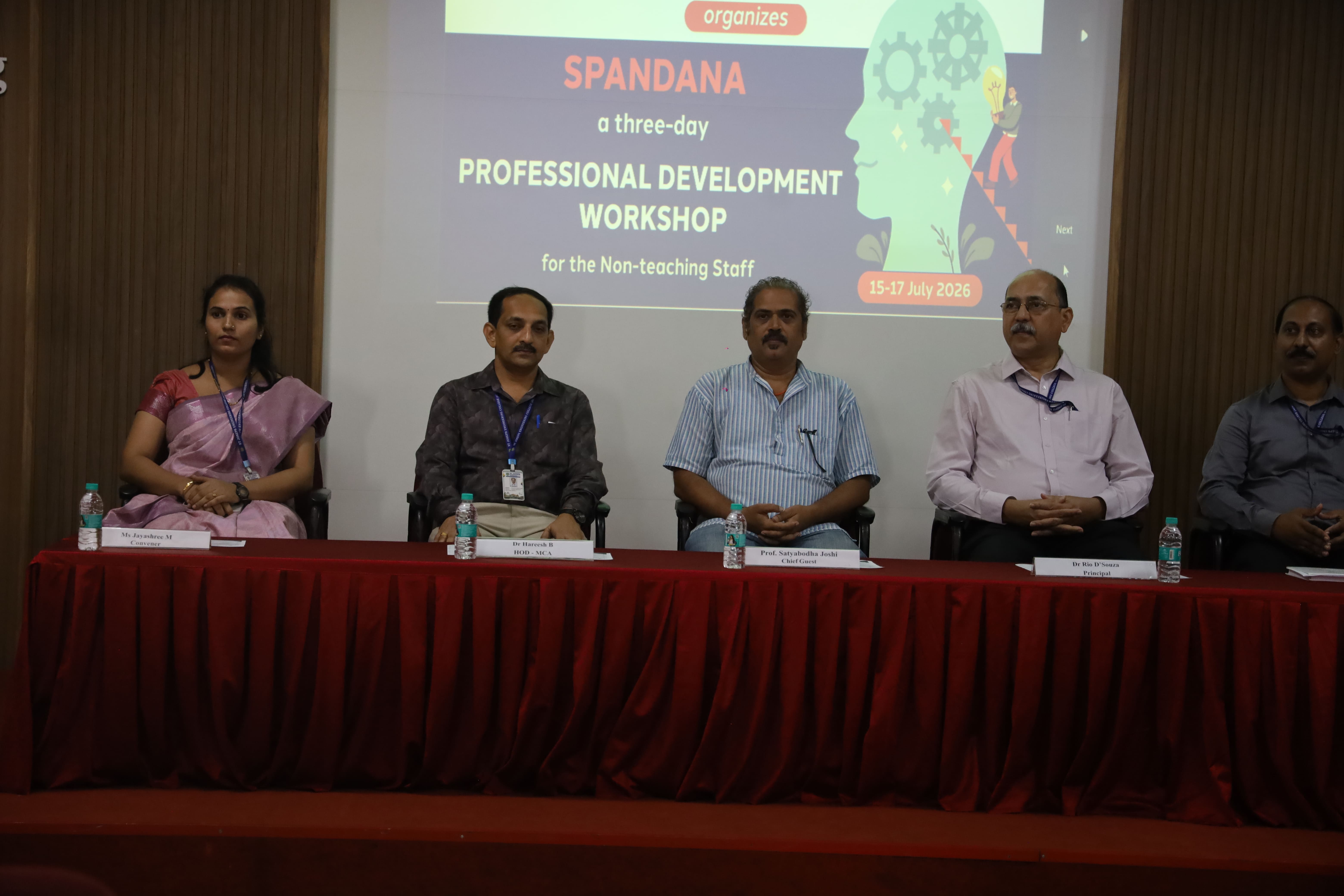
The Department of Computer Applications, in association with the Internal Quality Assurance Cell (IQAC) and the Quality Governance Group (QGG), successfully organized SPANDANA–2026, a three-day professional development programme for the non-teaching staff of St Joseph Engineering College from 15th to 17th July 2026. The programme was conceived with the objective of empowering administrative and support staff with contemporary knowledge, digital competencies, professional skills, and best practices essential for enhancing institutional efficiency and service excellence. The initiative reflects the institution's continued commitment towards capacity building, quality enhancement, and fostering a culture of continuous professional development.
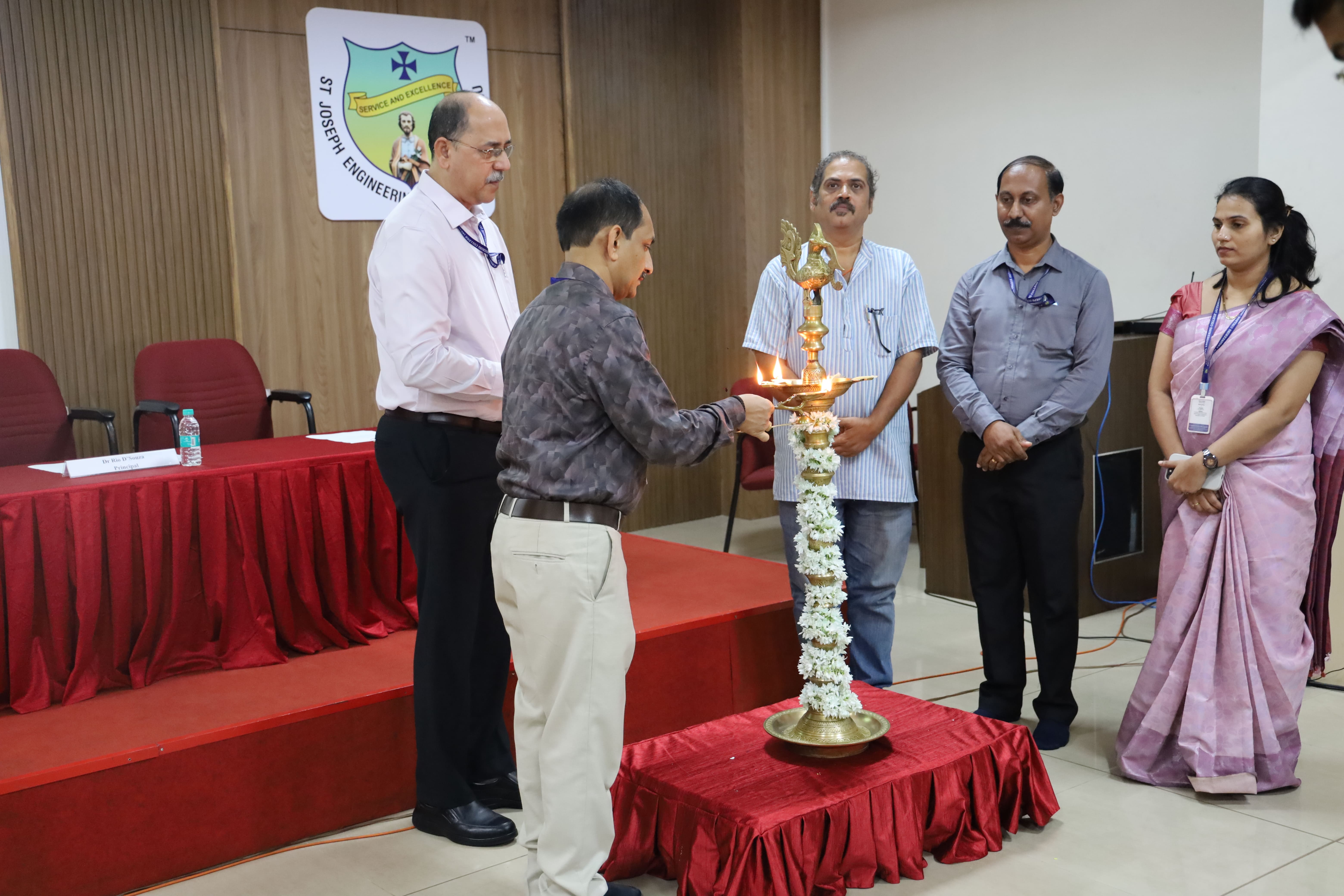
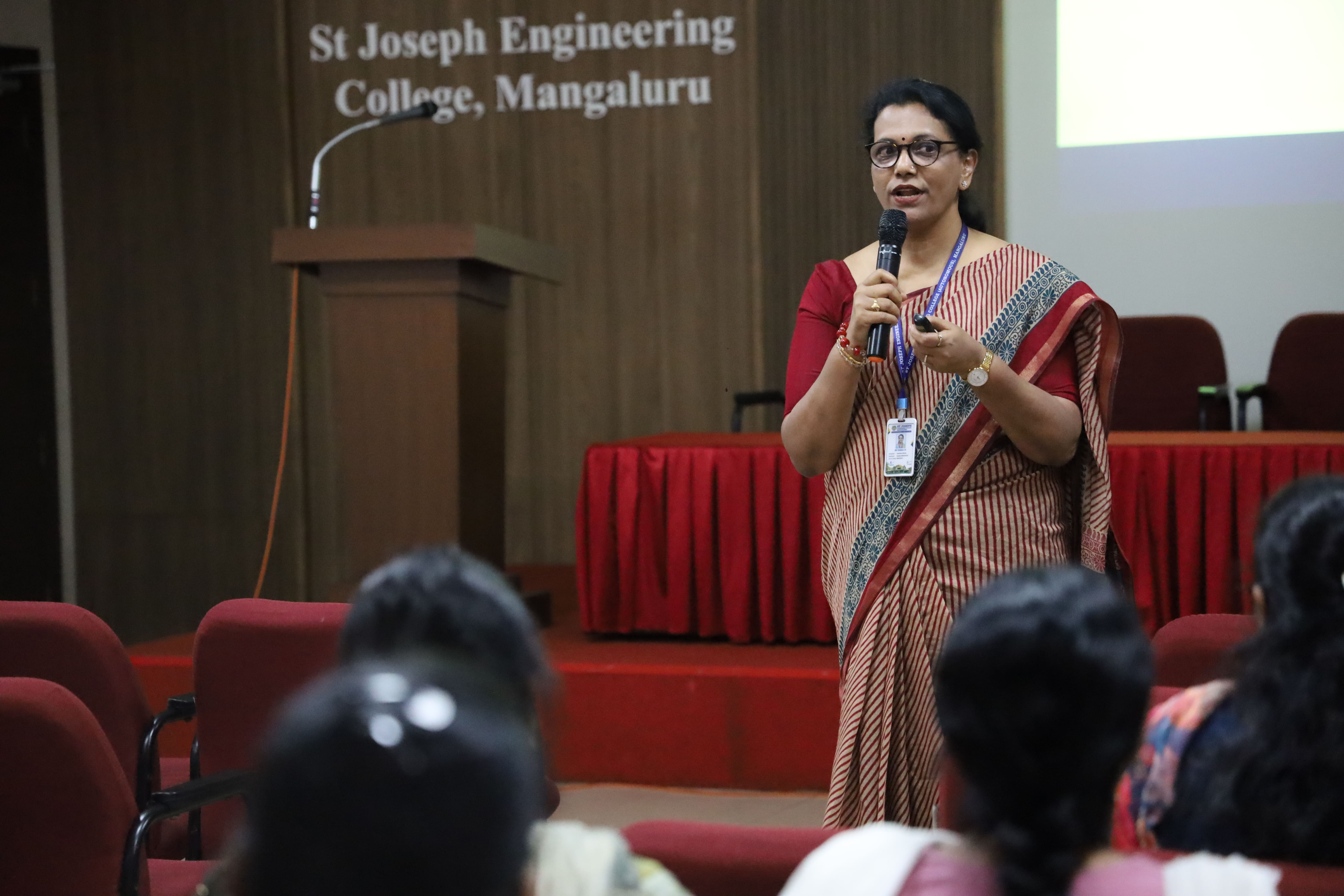
The inaugural programme was held on Wednesday, 15th July 2026 at 9:15 a.m. in Spoorthi Hall, 7th Floor, AB III. The function commenced with a prayer followed by the traditional lighting of the lamp, creating a solemn and inspiring atmosphere for the commencement of the programme. The gathering was formally welcomed by Dr Hareesh B, HOD-MCA, after which the objectives and significance of SPANDANA–2026 were briefly presented by Ms Lavanya, Assistant Professor, MCA. Dr Rolvin D’Silva, convener of the program introduced the chief guest. The inaugural ceremony was graced by Mr. Satyabodha Joshi, Production Consultant from the Media and Entertainment Industry and Manipal Institute of Communication, Manipal, as the Chief Guest. Dr. Rio D'Souza, Principal of SJEC, presided over the function. The dignitaries appreciated the institution's initiative in organizing a dedicated training programme for non-teaching staff and emphasized the vital role played by administrative personnel in maintaining institutional excellence. Ms Jayashree M, Assistant Professor, MCA, Co-Convener of the program proposed the Vote of Thanks.
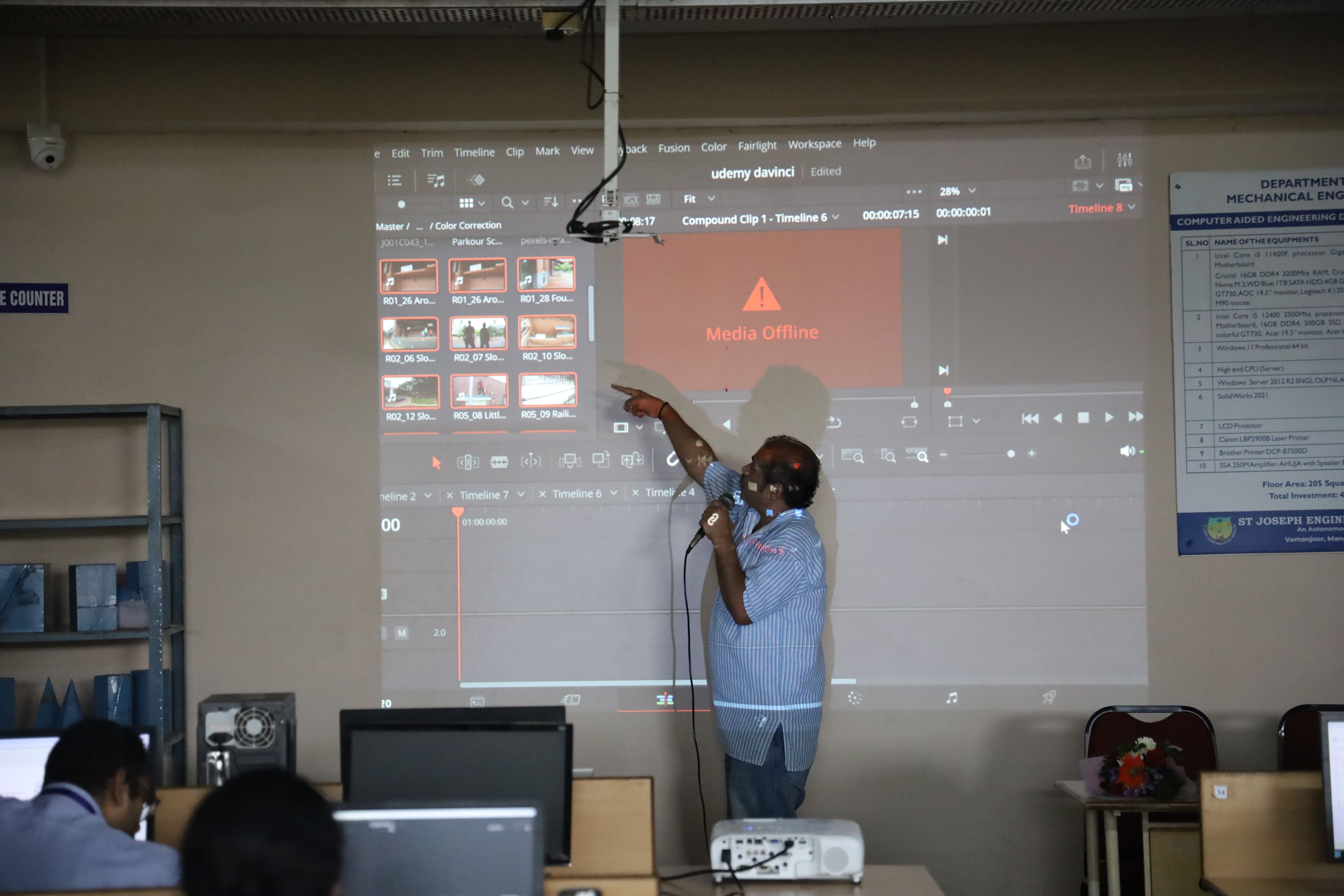
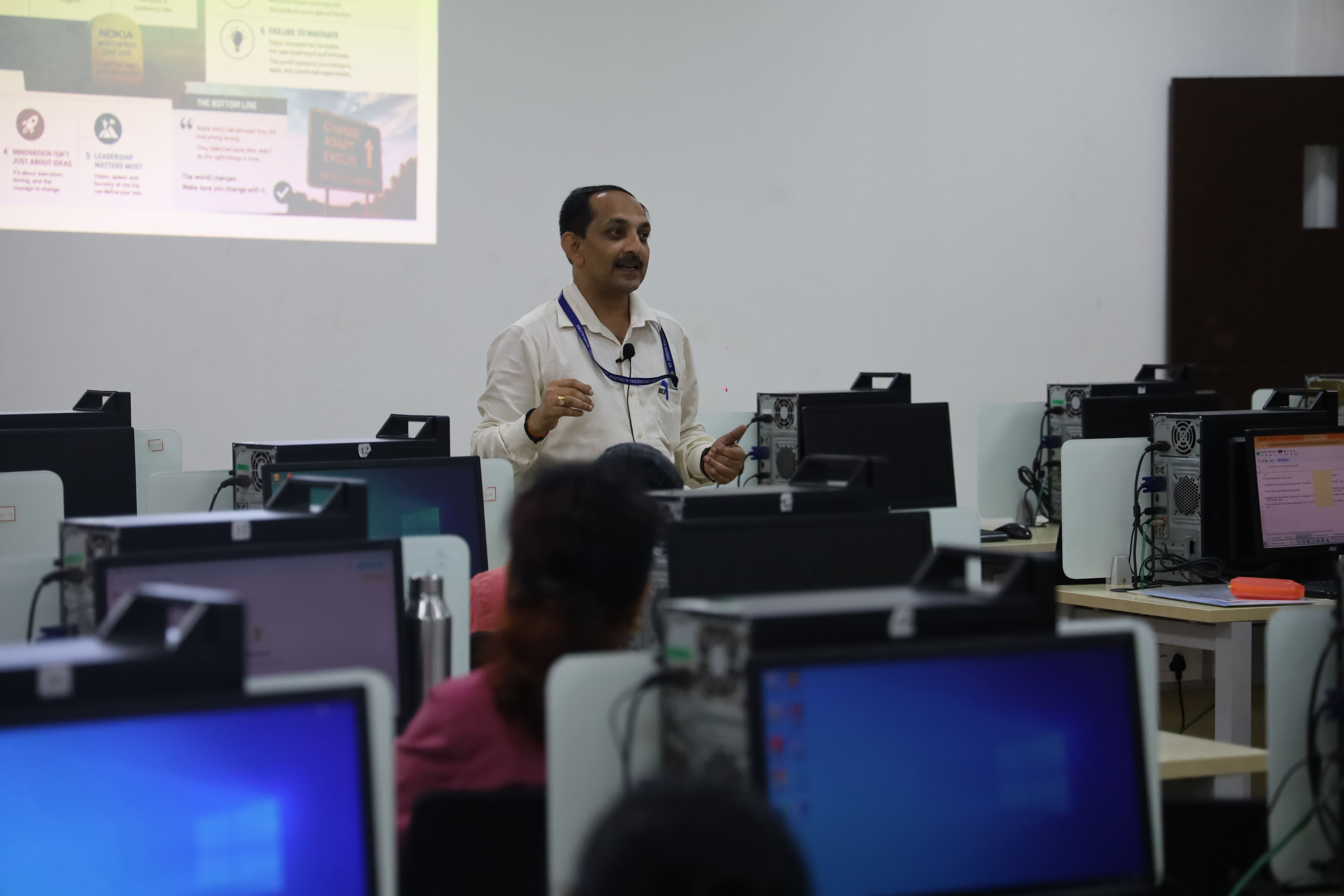
The first technical session on Digital Media Management was conducted by Prof. Satyabodha Joshi, who highlighted the importance of effective digital communication, responsible use of social media, professional digital etiquette, and the growing significance of digital platforms in institutional branding and communication. Through practical examples using Da Vinci Resolve software and interactive discussions, participants gained valuable insights into managing digital content responsibly while maintaining the professional image of the institution.
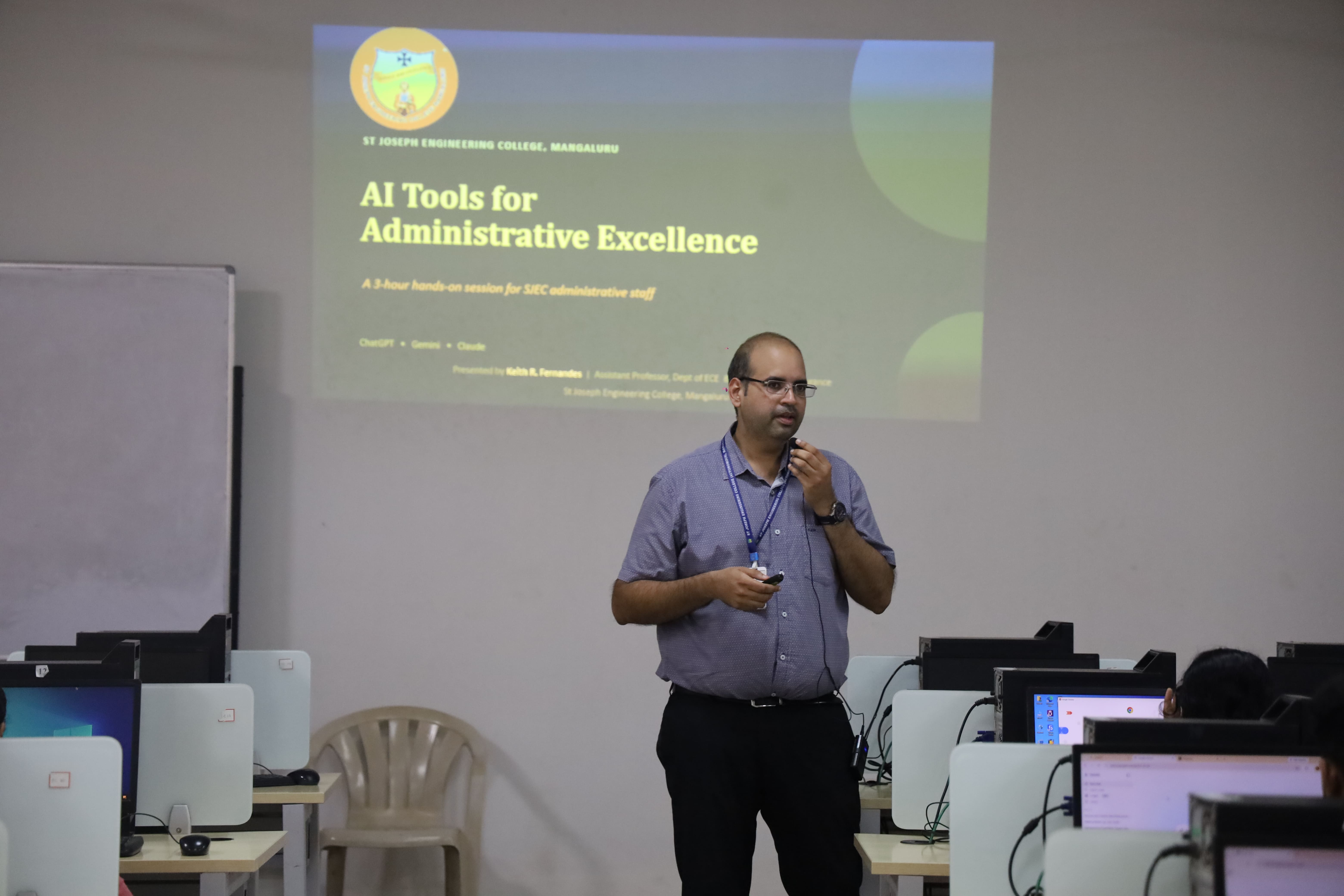
The afternoon session on AI Tools for Administrative Excellence was handled by Mr. Keith Raymond Fernandes, Head-QA and Assistant Professor, Department of Electronics and Communication Engineering. The resource person introduced participants to several Artificial Intelligence tools that can significantly enhance administrative efficiency by simplifying routine office tasks such as drafting official correspondence, preparing reports, summarizing documents, organizing information, and improving workplace productivity. Live demonstrations of AI-based application specially Claude AI tool, encouraged participants to explore innovative digital solutions that can be integrated into their day-to-day responsibilities.
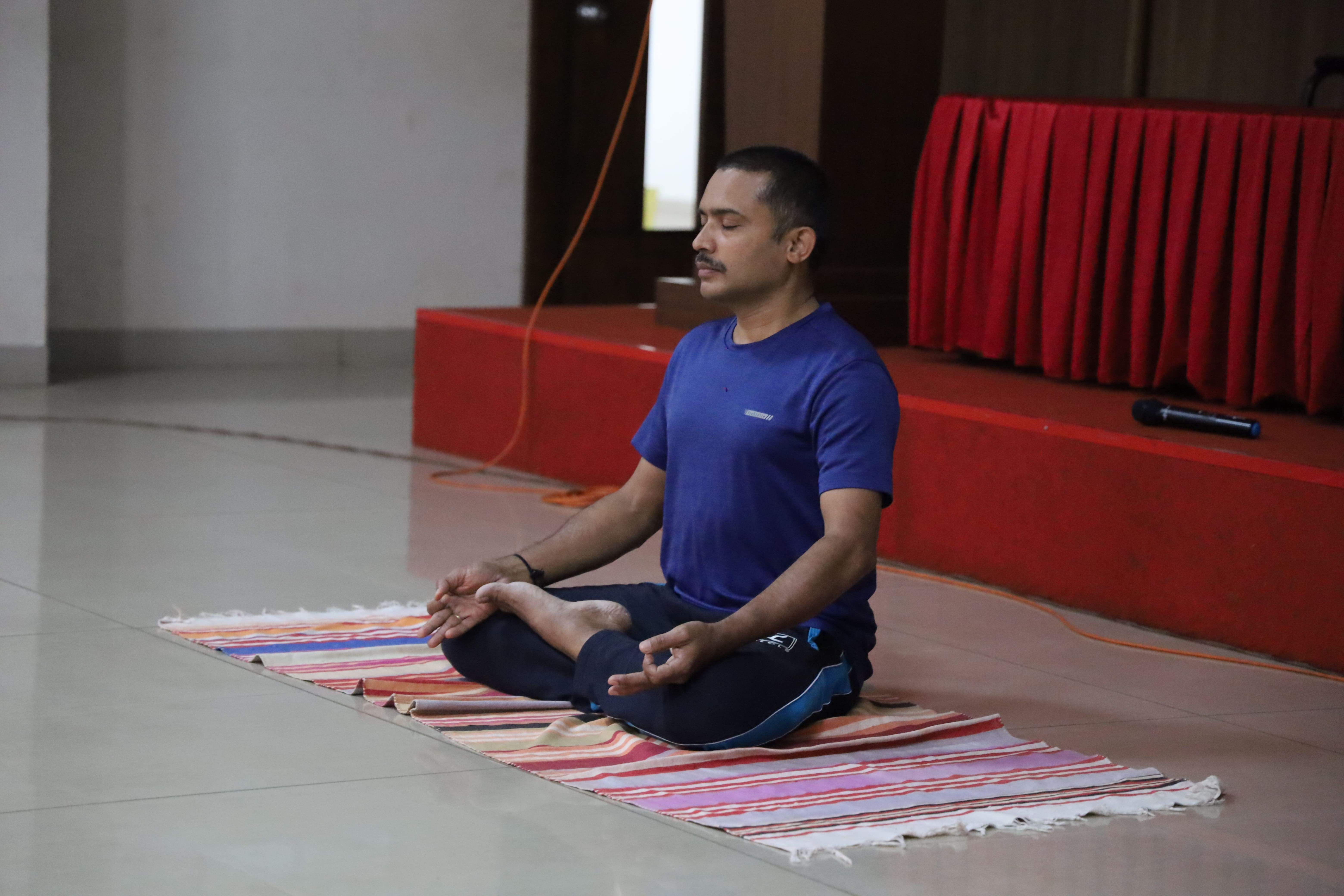
The second day of the programme commenced with a refreshing session on Yoga for Healthy Life, conducted by Dr. Ramananda H. S., Professor, Department of Mathematics. The session emphasized the importance of maintaining physical and mental well-being through regular yoga practices, breathing exercises, relaxation techniques, and stress management. Participants actively engaged in the practical demonstrations and appreciated the relevance of adopting healthy lifestyle practices to improve personal wellness and workplace productivity.
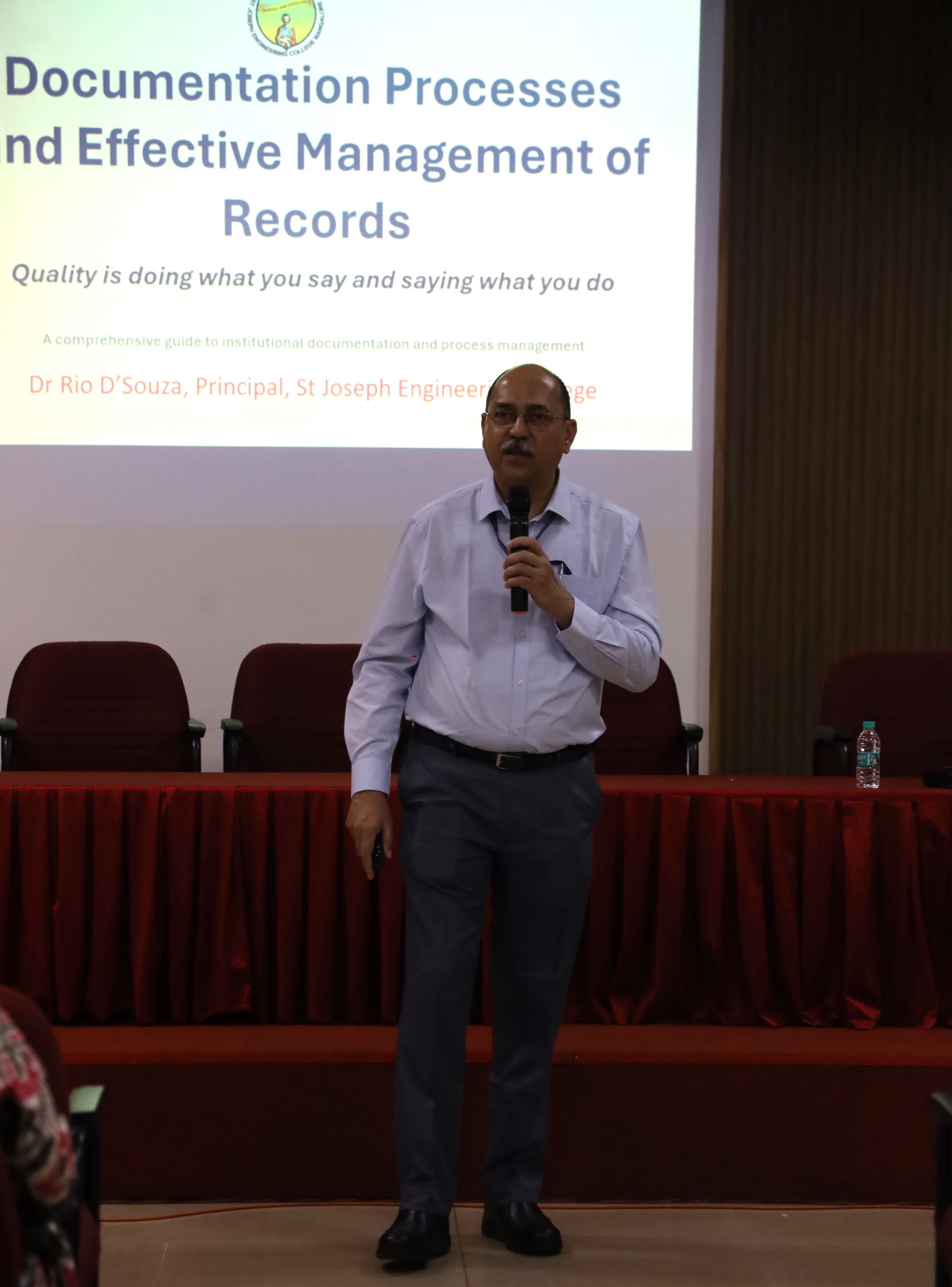
The subsequent session on Documentation Process and Effective Record Management was delivered by Dr. Rio D'Souza, Principal, SJEC. The session focused on the importance of systematic documentation in higher education institutions, emphasizing proper record maintenance, document organization, institutional documentation standards, and the role of documentation in quality assurance and accreditation processes. The resource person shared valuable insights into best practices that ensure transparency, accountability, and efficient institutional functioning.
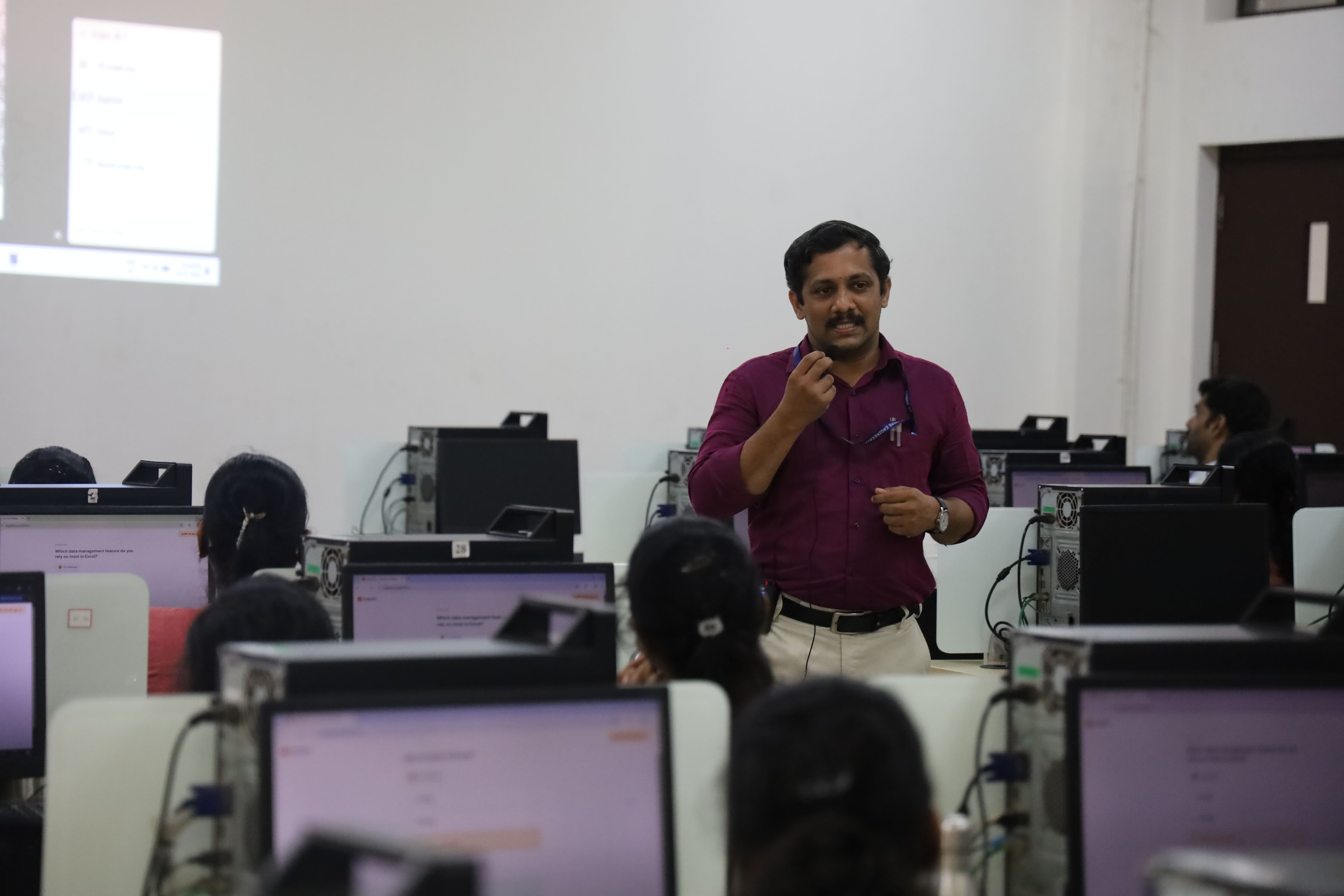
The afternoon session on Digital Office Management Using MS Tools was jointly conducted by Mr. Murari B K, Assistant Professor, Department of Computer Applications. This highly interactive session provided practical exposure to advanced features of Microsoft Excel along with techniques for efficient digital file management, document formatting, data analysis, collaborative work practices, and office automation. Participants actively practiced various tools and techniques that would enhance their efficiency in handling routine administrative tasks.
The third day began with a session titled Personal Finance Made Simple, delivered by Dr. Shakila B, Associate Professor, Department of MBA. The session introduced participants to the fundamentals of financial planning, including budgeting, savings, investments, retirement planning, insurance, and financial discipline. The practical examples presented during the session enabled participants to appreciate the importance of prudent financial management for long-term personal security and well-being.
The following session on Sustainable Development Goals (SDGs) and the Role of Non-Teaching Staff was conducted by Dr. Vijay V. S., Assistant Professor Grade II and Co-Coordinator of SJEC AICTE IDEA Lab. The session highlighted the seventeen Sustainable Development Goals adopted by the United Nations and explained how non-teaching staff can contribute meaningfully towards environmental sustainability, responsible resource utilization, waste reduction, energy conservation, and the promotion of sustainable practices within the campus. The session reinforced the idea that every member of the institution has an important role in achieving sustainable development.
The final technical session on Office Automation and Workflow Management was jointly handled by Dr. Hareesha B and Mr. Murari B K. The session demonstrated various approaches to streamlining office processes through digital workflow management, automation of repetitive tasks, effective file organization, collaborative tools, and improved administrative practices. Participants gained practical knowledge that will help improve operational efficiency and reduce manual effort in their respective departments.
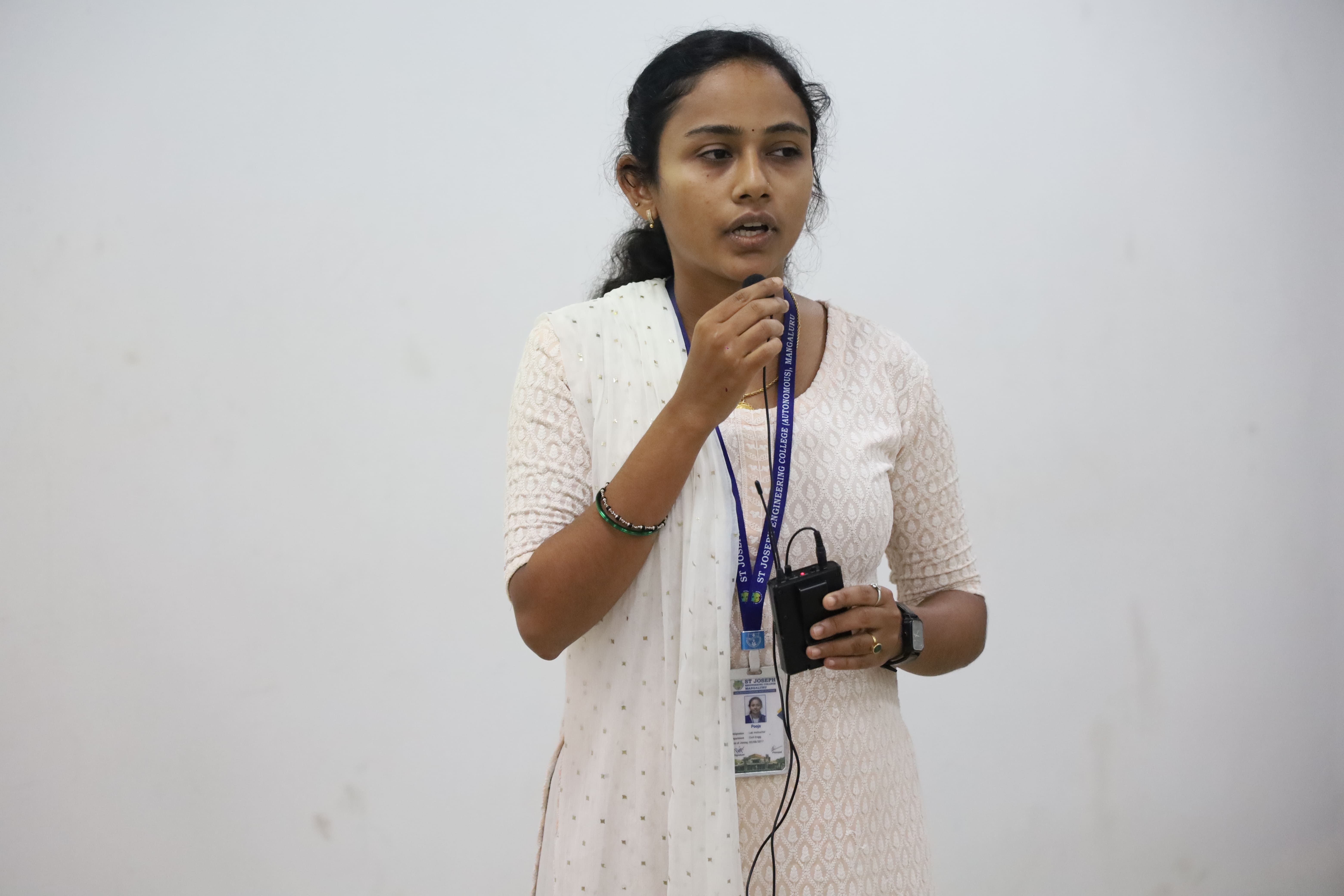
The programme concluded with the Valedictory Programme, during which participants shared their experiences and expressed appreciation for the quality and relevance of the sessions. The feedback received indicated that the programme had significantly enhanced their knowledge and confidence in using digital tools, managing documentation, improving office productivity, and adopting professional best practices. Participants appreciated the practical orientation of the sessions and expressed interest in similar training programmes in the future. Certificates of participation were distributed, and the organizing committee expressed sincere gratitude to the Management, Director, Principal, IQAC, QGG, Department of Computer Applications, resource persons, organizing team, and all participants for their wholehearted support in making SPANDANA–2026 a grand success.